Dermatology · Skin lesions
Moles, lumps & lesions, expertly assessed
A new mole, a changing spot, a lump or a bump you'd like gone — most skin lesions are completely harmless, but knowing for sure brings real peace of mind. Our professor-led care diagnoses skin lesions accurately and, where you'd like, removes them cleanly, with the least possible mark.
What it means
Any spot, bump or growth on the skin
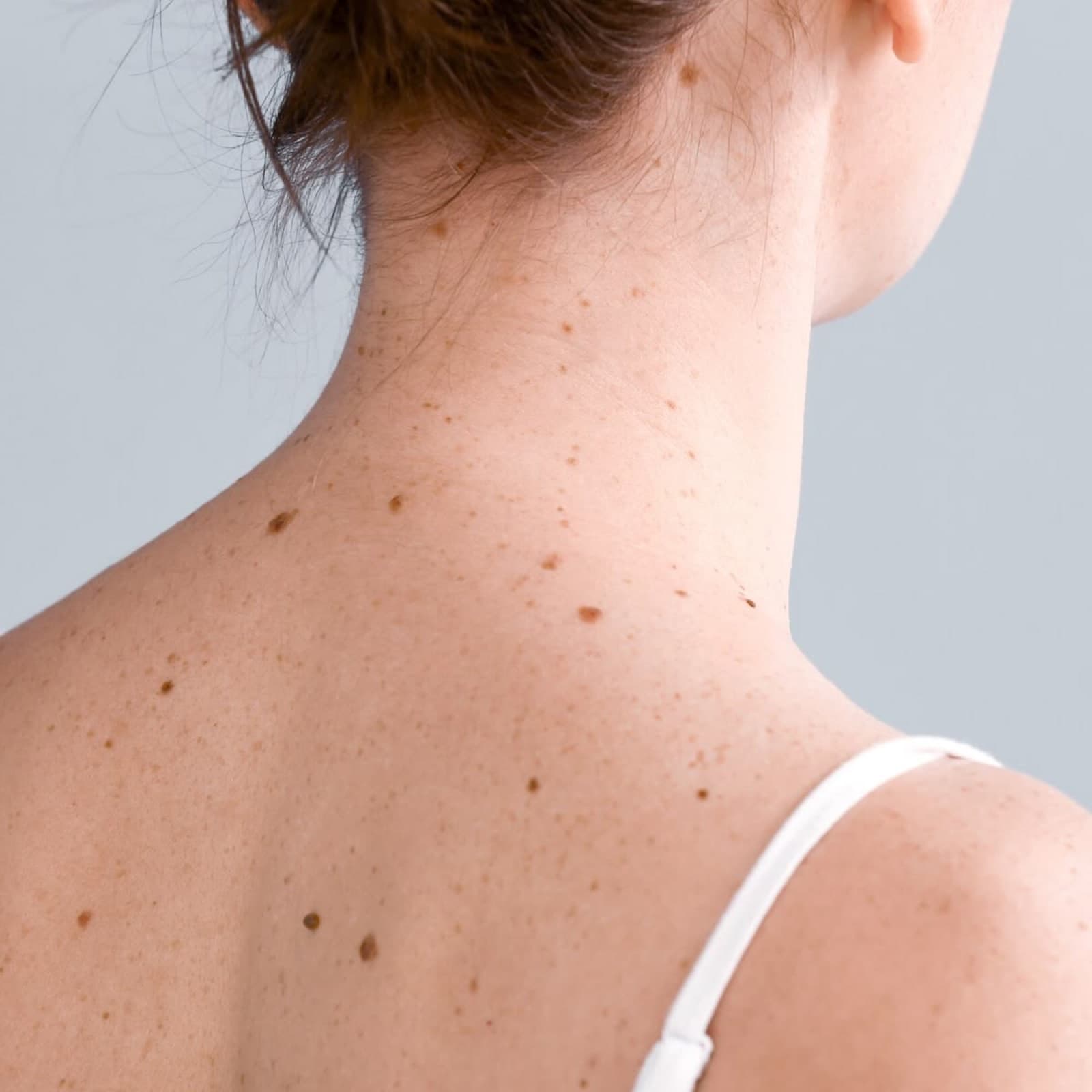
A "skin lesion" is simply any area of skin that differs from the skin around it — a mole, a lump, a rough patch, a skin tag or a cyst. Most are entirely benign and appear as a normal part of ageing, sun exposure or genetics.
People come to us for two reasons: to have a lesion checked — for reassurance or because it's new or changing — and to have one removed, whether for comfort, appearance or peace of mind. Either way, the first step is always an accurate diagnosis, so you know exactly what you're dealing with.
Diagnose first, then treat or remove — with confidence.
Common skin lesions
The lesions we see and treat
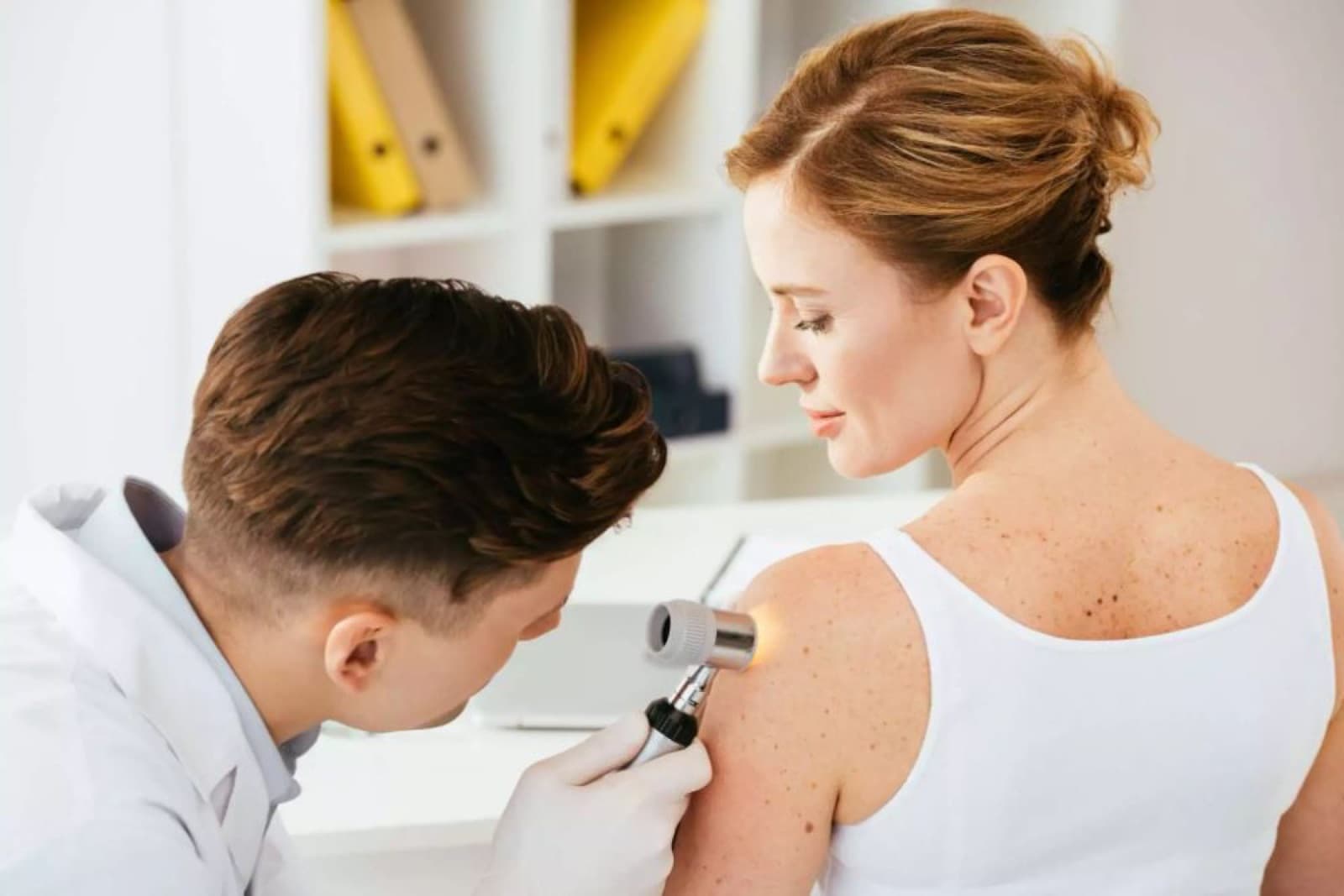
From moles and skin tags to cysts, sun-related growths and warts, we diagnose and — where you wish — remove the full range of common skin lesions.
Moles
Skin tags
Cysts & lumps
Sun-related growths
Warts & viral lesions
Vascular & other
When to get a mole checked
The ABCDE guide
Most moles are harmless — but these five signs are worth a specialist look. If a mole shows any of them, it's always better to have it checked promptly.
Asymmetry
One half of a mole doesn't match the other.
Border
Edges are irregular, ragged, notched or blurred.
Colour
More than one colour, or uneven shades of brown, black, red or blue.
Diameter
Larger than about 6mm (a pencil eraser), or growing.
Evolving
Changing in size, shape, colour — or new itching, bleeding or crusting.
When in doubt, get it checked. A changing, bleeding or non-healing spot should always be seen. If a lesion needs it, we assess further — and for skin cancer diagnosis and surgery, our skin cancer & MOHS care is here for you.
Removal options
The right method for each lesion
There's a best way to remove every kind of lesion — chosen for a clean result, the least scarring and, where needed, proper lab confirmation. Your specialist recommends the right one for you.
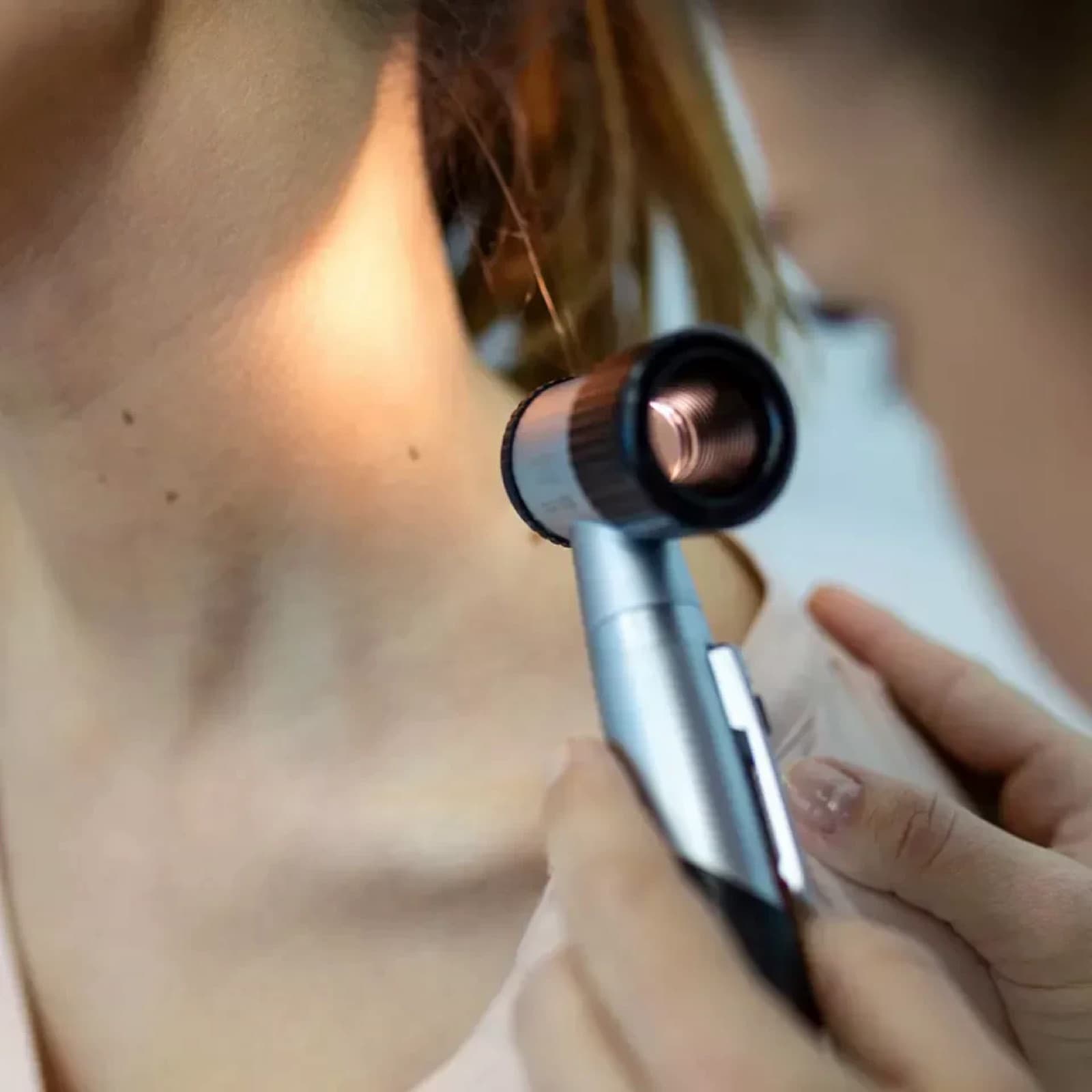
Diagnosis & dermoscopy
A close examination — often with a dermatoscope — to identify the lesion accurately and decide whether it needs removal at all.
Surgical excision
The lesion is removed in full under local anaesthetic and, where appropriate, sent for lab analysis — the gold standard for anything uncertain.
Shave & snip removal
Raised moles and skin tags removed neatly at the surface under local anaesthetic — quick, with minimal downtime.
Cryotherapy (freezing)
Freezing to remove warts, some sun-related growths and superficial lesions — fast and effective for the right lesion.
Cautery & curettage
Gentle heat or careful scraping to remove certain benign lesions cleanly, with a very tidy result.
Histology (lab analysis)
Where there's any question, the removed tissue is examined under a microscope to confirm exactly what it was — for total certainty.
Why see a specialist
Don't remove first and ask later
It's tempting to have a lesion 'zapped' quickly — but removing something without diagnosing it first can miss what matters. Diagnosis always comes first.
Accurate diagnosis first
The most important step is knowing what a lesion is. Professor-led assessment — with dermoscopy — tells benign from concerning, so nothing is missed or over-treated.
Safe, complete removal
Removing a lesion properly matters — especially if it's ever sent for analysis. Expert technique gives a clean result and, where needed, a reliable lab answer.
The best cosmetic result
Placement, technique and aftercare all shape the mark left behind. A specialist works to remove the lesion and minimise scarring, particularly on the face.
Peace of mind
Whether it's reassurance about a mole or finally removing something that's bothered you for years, you leave knowing exactly where you stand.
Myths vs facts
Clearing up the confusion
Some beliefs about moles and lesions are not just wrong — they can be dangerous. Here's what's actually true.
You can safely remove a mole at home
Never. Home removal risks infection, scarring — and, crucially, destroys the tissue needed to check whether a lesion was harmless. Always have it done professionally.
If a mole doesn't hurt, it's fine
Skin cancers are often painless. It's change — in size, shape, colour or behaviour — not pain, that matters. When in doubt, get it checked.
Removing a mole makes it 'spread'
A myth. Properly removing a lesion does not cause anything to spread. In fact, timely removal of a concerning lesion is exactly what protects you.
Skin tags and moles are the same thing
They're different. Skin tags are harmless soft growths; moles are pigmented spots that should be monitored for change. Each is assessed and removed differently.
Only older people need mole checks
Skin lesions and skin cancers can appear at any age, especially with sun exposure. Anyone with a new, changing or worrying spot should have it looked at.
Removal always leaves an ugly scar
Good technique and aftercare usually leave a small, discreet mark — and often barely anything. Minimising scarring is part of doing it well.
What to expect
Simple, reassuring, usually one visit
Most lesion removals are quick, straightforward procedures done under local anaesthetic — you walk in and out the same day.
Consultation
A close examination of the lesion — often with a dermatoscope — plus your history, to reach an accurate diagnosis.
Your options
A clear explanation of what it is and your choices — monitor, treat or remove — with the best method and any scarring discussed honestly.
Removal
Where you choose removal, it's carried out cleanly under local anaesthetic, usually in a single short visit, with tissue sent for analysis if needed.
Results & aftercare
Simple aftercare guidance, any lab results explained clearly, and follow-up or monitoring arranged where appropriate.
Your specialist
Dr. Milos Pavlovic
Our Professor of Dermatology brings expert judgement to skin lesions — diagnosing accurately with dermoscopy, removing where needed with clean technique and minimal scarring, and confirming with lab analysis for total peace of mind. Reassurance and results, in expert hands.
Good to know
Skin lesions, answered
Reassurance, or removal
Book a skin lesion check
A mole you'd like checked, or a lump or tag you'd like gone — book online or message us and we'll assess it properly and put your mind at ease.