Dermatology · Skin cancer surgery
Skin cancer screening & MOHS surgery
Early detection saves lives — and skin. From thorough mole checks to MOHS micrographic surgery, the gold-standard for removing skin cancer with the highest cure rate and the least scarring.
Why it matters
Skin cancer, caught early
Skin cancer is one of the most common cancers — and, in a sunny climate like the UAE, one worth taking seriously. The good news: when it's found early, it's almost always highly treatable.
It develops when skin cells are damaged, most often by UV exposure, and begin to grow abnormally. Spotting changes early — a new spot, a changing mole, a sore that won't heal — makes treatment simpler, gentler and more successful.
A quick, painless skin check is one of the most valuable things you can do for your long-term health.
Know the types
The main kinds of skin cancer
Not all skin cancers are the same. Knowing what to look for — and acting early — makes all the difference.
Basal cell carcinoma
The most common and least aggressive type. Slow-growing and rarely spreads, but should be removed to prevent local damage — MOHS is ideal here.
Squamous cell carcinoma
The second most common type. Can grow faster and, if left, may spread — so early removal matters. Often treated with MOHS on the face.
Melanoma
Less common but the most serious. Early detection is critical — which is why any new, changing or unusual mole should be checked promptly.
Signs to watch for
The ABCDE of moles
A simple way to check your own skin. If a mole shows any of these signs — or a sore won't heal — book a check.
Asymmetry
One half of the mole doesn't match the other.
Border
Edges that are irregular, ragged or blurred.
Colour
Uneven colour, or several shades in one spot.
Diameter
Larger than 6mm (about a pencil eraser).
Evolving
Changing in size, shape, colour — or a new symptom.
Am I at risk?
Skin cancer risk factors
Anyone can develop skin cancer, but some things raise the risk — and mean regular checks are wise.
Getting answers
Screening & diagnosis
Thorough, gentle and reassuring — we look closely so nothing is missed, and explain everything as we go.
Full skin examination
A careful head-to-toe check of your skin and moles by a specialist — the foundation of early detection.
Dermoscopy
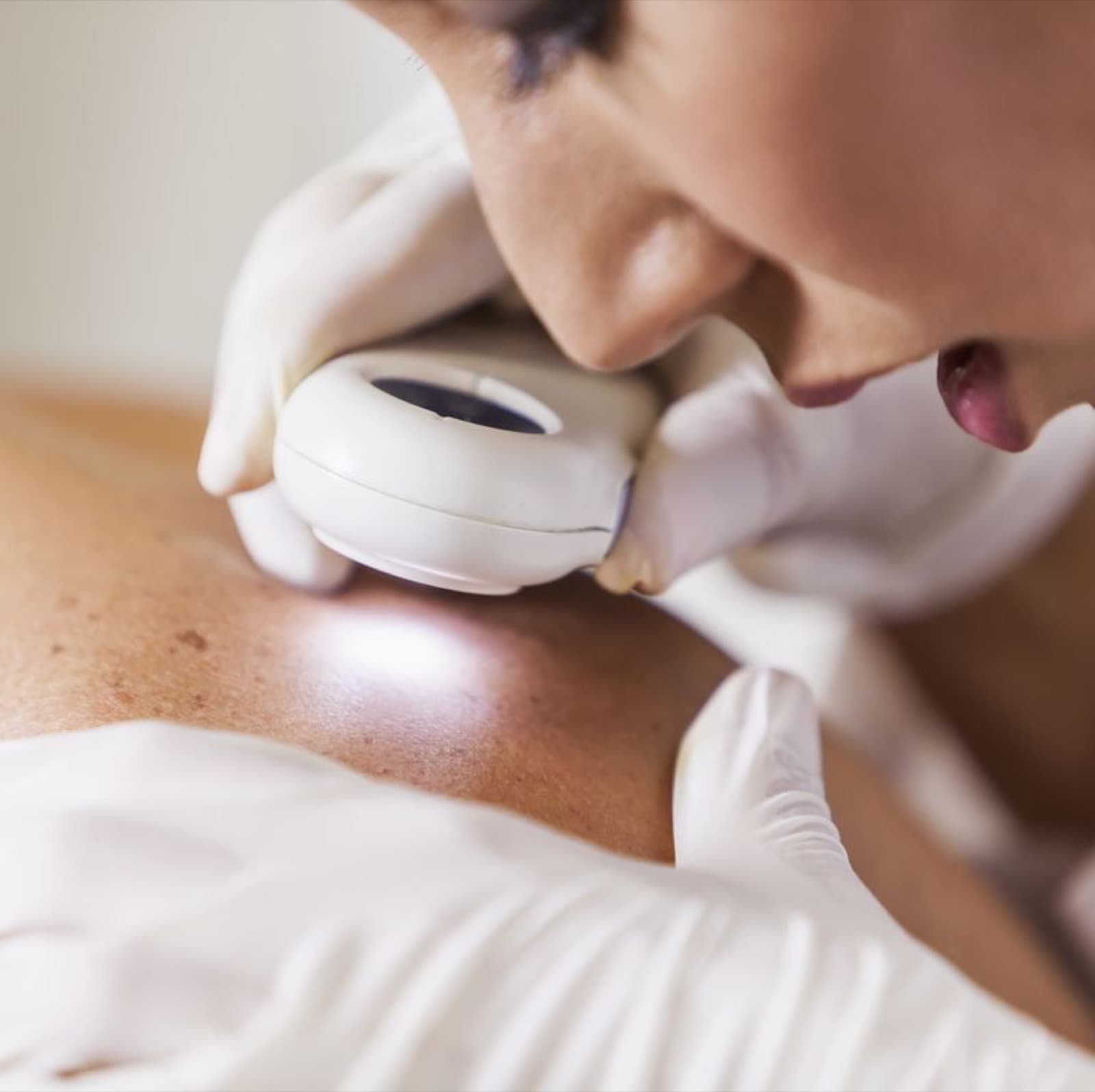
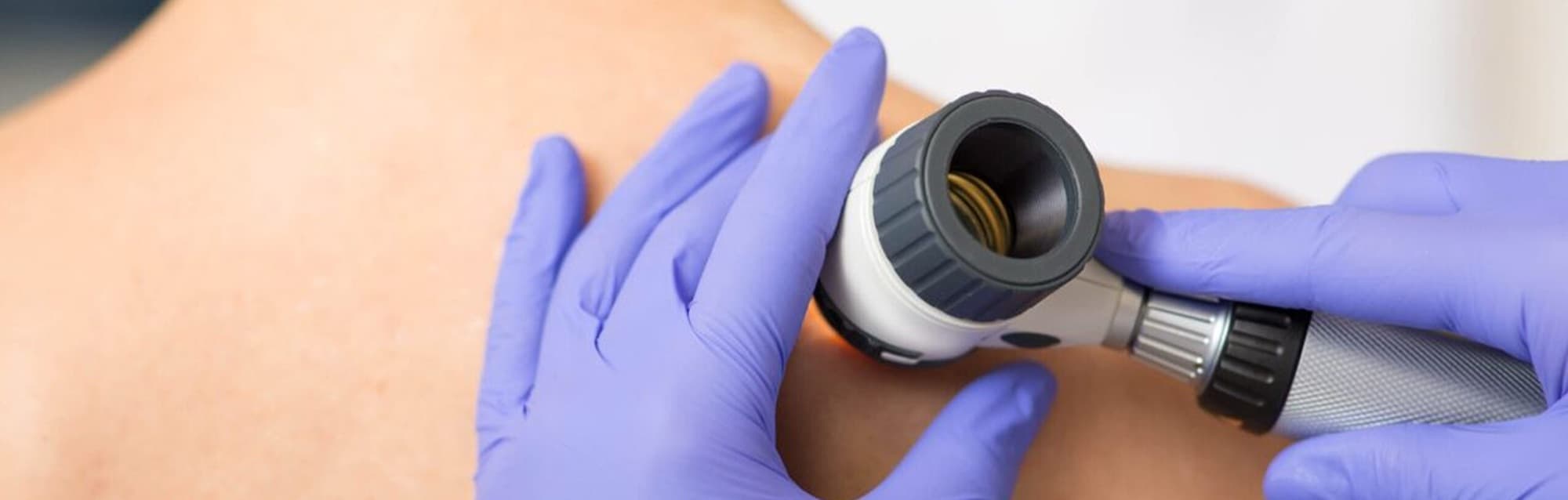
A magnified, illuminated look at suspicious spots that reveals detail invisible to the naked eye.
Mole mapping
Photographic mapping to track your moles over time, so any change is spotted early.
Skin biopsy
If needed, a small, painless sample is examined under the microscope to confirm a diagnosis.
The gold standard
What is MOHS surgery?
MOHS micrographic surgery is the most precise way to treat many skin cancers. Instead of estimating how much to remove, the surgeon removes the cancer one thin layer at a time — examining each under the microscope immediately.
This means only cancerous tissue is taken, sparing as much healthy skin as possible. It offers the highest cure rate of any skin-cancer treatment (up to 99%) and the best cosmetic outcome — which makes it ideal for the face, ears, nose, hands and other sensitive areas.
Most MOHS procedures are completed in a single day, under local anaesthetic.
Step by step
How MOHS works
A precise, methodical process — all in one visit, with you comfortable throughout.
Examine & prepare
We map the visible cancer and numb the area with local anaesthetic — you stay awake and comfortable throughout.
Remove a thin layer
The visible cancer and a very thin layer of surrounding tissue are carefully removed.
Map & examine
That layer is processed and examined under the microscope on-site, mapping exactly where any cancer cells remain.
Repeat only if needed
If cells remain, we remove another precise layer from just that spot — sparing all healthy tissue. Repeated until clear.
Reconstruct & heal
Once clear, we close and repair the area for the best possible cosmetic result — often the same day.

Why MOHS
The benefits of MOHS surgery
It's precise, it's thorough, and it's kind to your skin — the reasons MOHS is the gold standard.
What to expect
Your care, step by step
Clear and reassuring from first check to full recovery — you're in expert hands.
Skin check
A thorough examination and dermoscopy of any spots of concern, with clear advice.
Diagnosis
If needed, a simple biopsy confirms the diagnosis and guides the right treatment.
MOHS surgery
Precise, same-day removal under local anaesthetic — with microscope-guided accuracy.
Aftercare & follow-up
Clear wound-care guidance and follow-up checks to keep your skin healthy long-term.
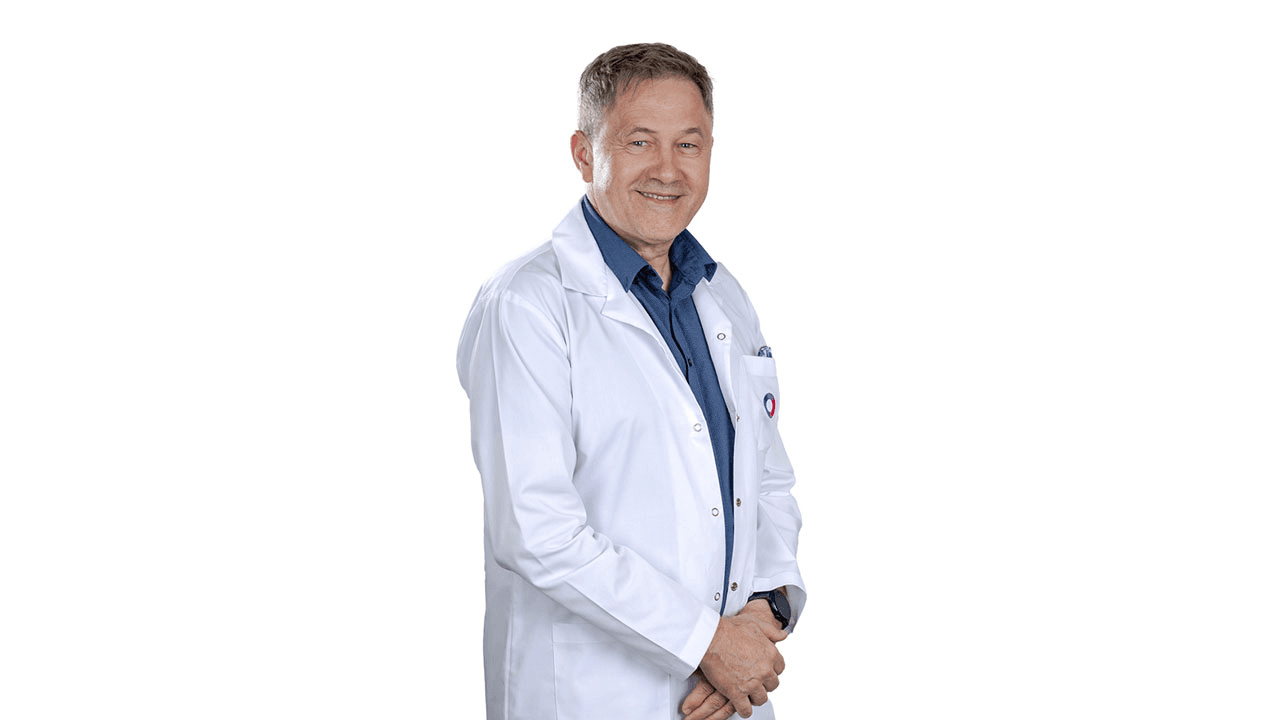
Your skin cancer specialist
Dr. Milos Pavlovic
Our Professor of Dermatology brings deep expertise in skin-cancer diagnosis and MOHS micrographic surgery — combining meticulous, evidence-based technique with a focus on natural-looking results and your peace of mind.
Good to know
Skin cancer & MOHS, answered
Peace of mind starts here
Book a skin check today
A quick, painless check could be the most important thing you do for your skin this year. Book with Dr. Milos, or message us with any questions.