Dermatology · Vein care
Varicose vein treatment in Dubai
Gentle, modern care for heavy, aching or bulging legs — from compression and lifestyle support to walk-in, walk-out keyhole procedures. All led by a professor of dermatology, with ultrasound-guided diagnosis.
What they are
Understanding varicose veins
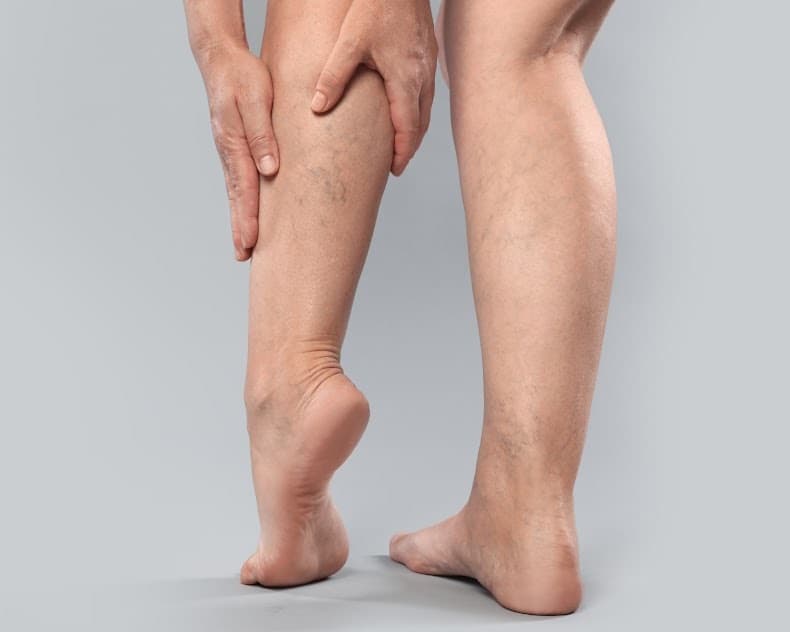
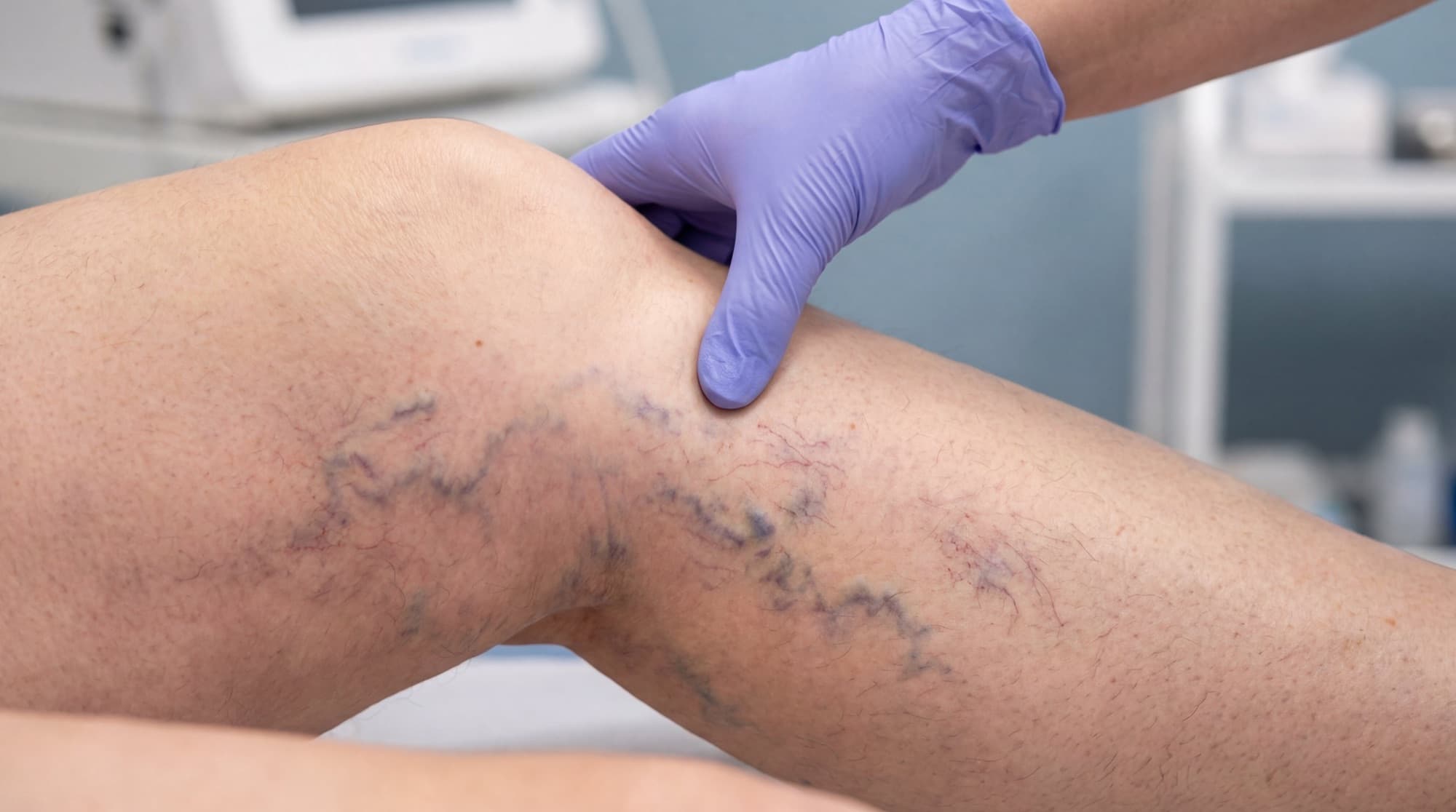
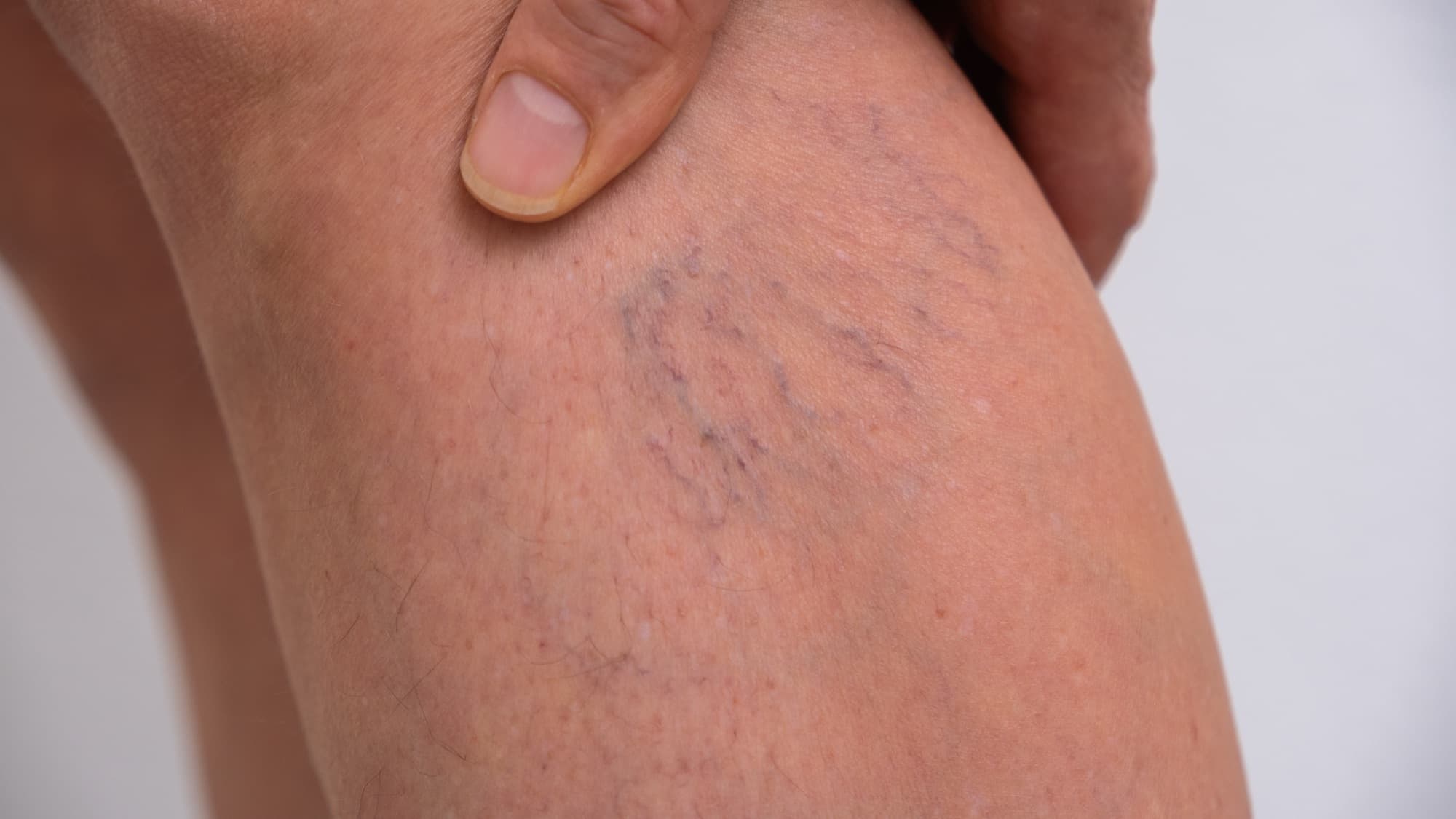
Varicose veins are enlarged, bulging veins that most often appear in the lower legs. They can look blue or purple and may twist or swell near the skin's surface.
They form when weakened vein walls and tiny one-way valves let blood pool instead of flowing back to the heart. Over time the veins stretch, twist and enlarge. While many people come to us for how their legs look, varicose veins can also ache — and, left untreated, occasionally lead to more serious problems.
The good news: modern, minimally invasive treatment is quick, comfortable and effective.
Signs to look for
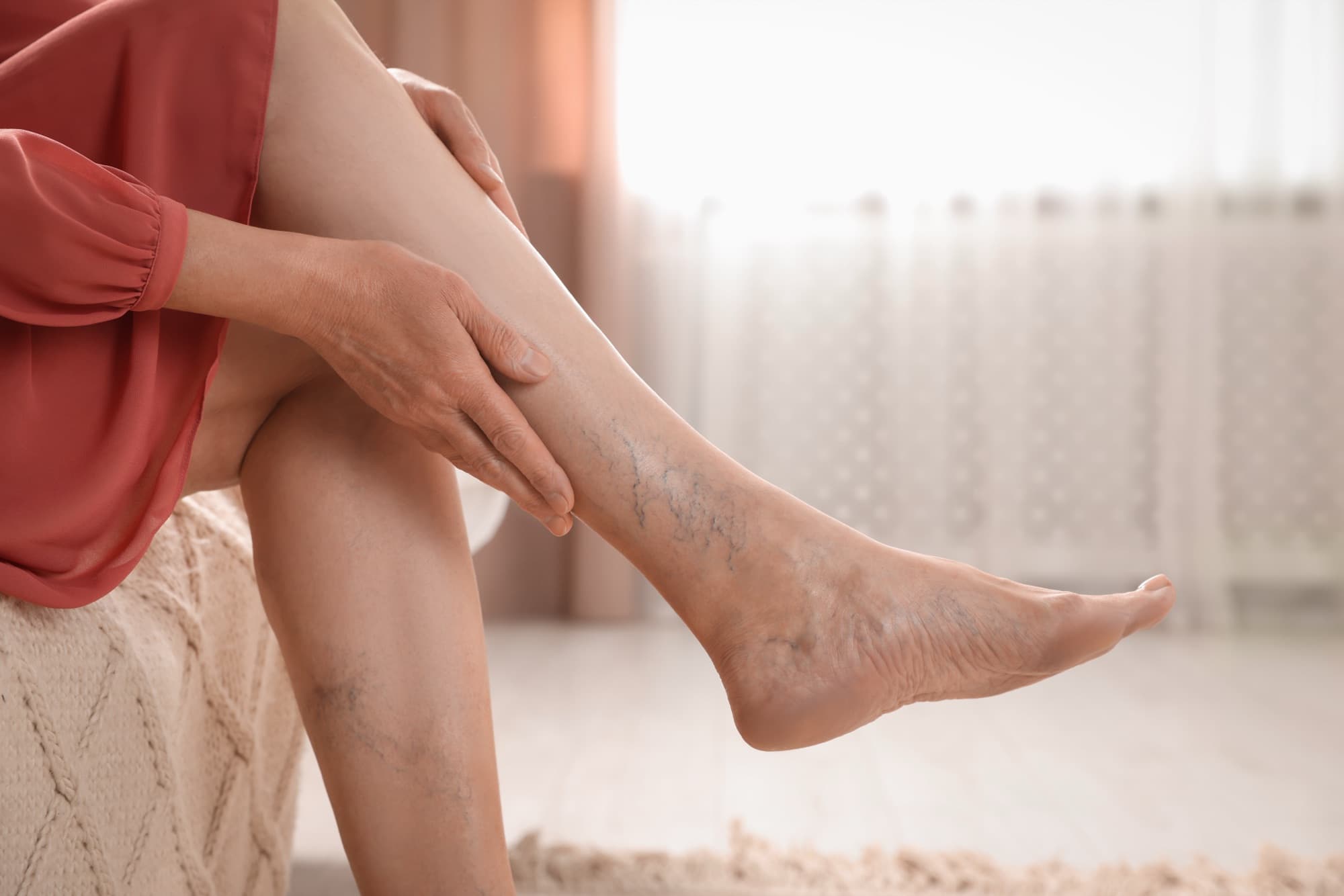
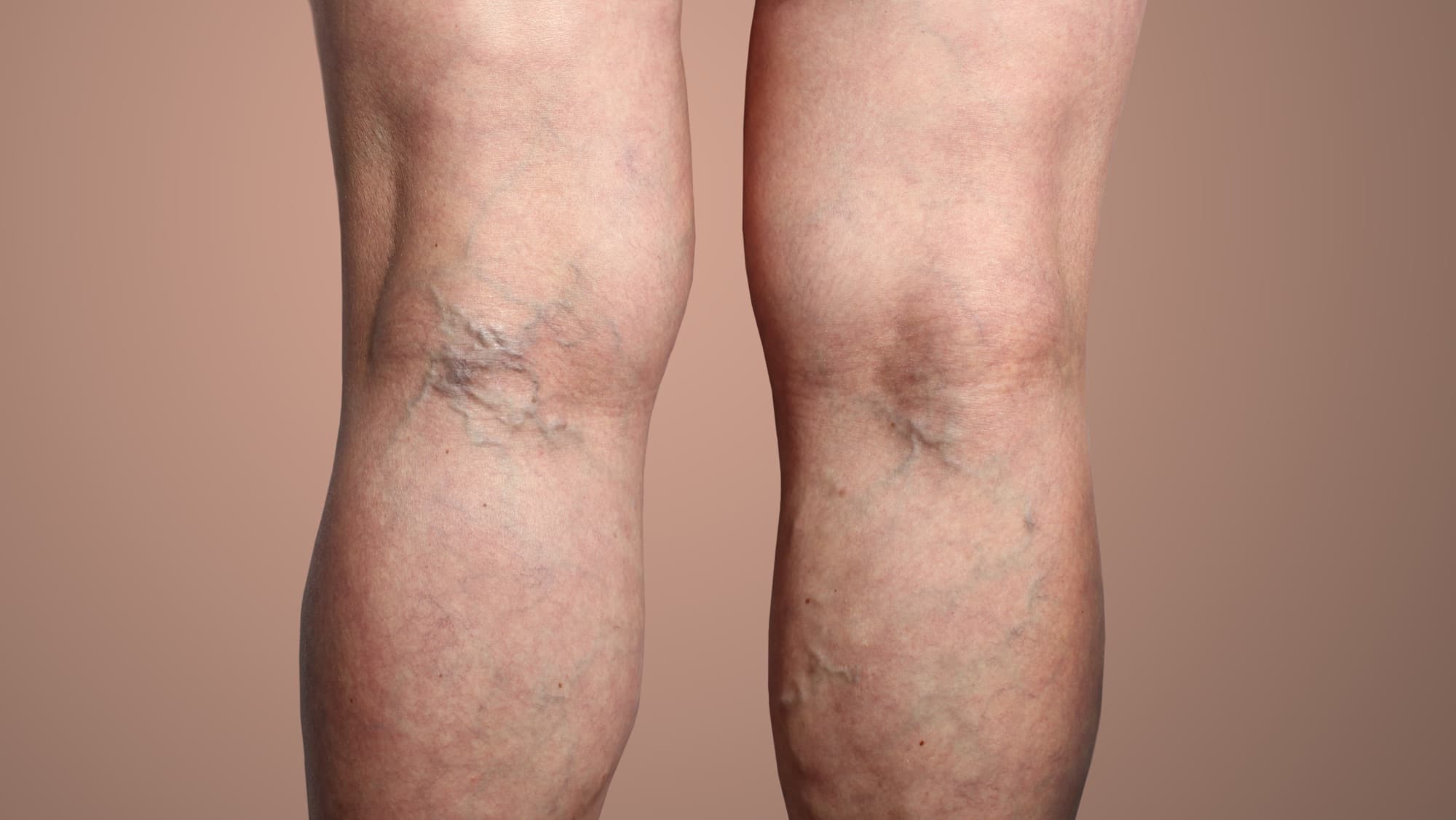
Symptoms of varicose veins
Symptoms range from mild discomfort to visible skin changes. If any of these sound familiar, it's worth a check-up.
Why they happen
What causes varicose veins?
They develop gradually — often starting before the age of 40 — and several things can raise your risk.
A simple, painless diagnosis
We use a quick, painless ultrasound to map blood flow and check how your valves are working. It lets us see exactly which veins are affected, rule out other conditions, and build a treatment plan that's right for you.
Care tailored to you
Your treatment options
From everyday support to walk-in, walk-out procedures — matched to your symptoms, vein size and overall vein health.
Lifestyle & compression
Compression stockings, leg elevation, regular movement and a healthy weight ease symptoms and slow progression — ideal for smaller veins or early signs.
Endovenous laser (EVLT)
Gentle laser energy is delivered through a thin tube to seal the vein from within, rerouting blood to healthier vessels. Excellent for larger varicose veins.
Radiofrequency ablation (RFA)
A fine catheter uses radiofrequency heat to gently close the vein wall — usually with less bruising and a faster recovery than traditional surgery.
Sclerotherapy
A medical solution is injected into smaller veins and spider veins, causing them to collapse and fade as your body naturally absorbs them.
Ambulatory phlebectomy
Bulging veins are removed through tiny pin-hole incisions — immediate cosmetic improvement, minimal scarring and a fast recovery.
Vein stripping & ligation
A traditional approach, reserved for selected severe cases, where the affected vein is tied off and removed. Rarely needed today thanks to modern options.
Why treat them
The benefits of treatment
Treating varicose veins isn't only about appearance — it restores both function and comfort.
What to expect
Your journey, step by step
Clear, calm and unhurried — from your first visit to feeling like yourself again.
Consultation
A relaxed chat about your symptoms, history and goals — no rush, no pressure.
Ultrasound diagnosis
A painless scan maps your veins so we can see exactly what's going on.
Your tailored plan
We recommend the gentlest effective option and explain it in plain language.
Recovery & follow-up
Most people are back to normal activity within 24–48 hours, with check-ins after.
Looking after your legs
Can you prevent them?
Prevention isn't always possible, but healthy habits genuinely lower your risk — and early care limits how far things progress.
Your specialist
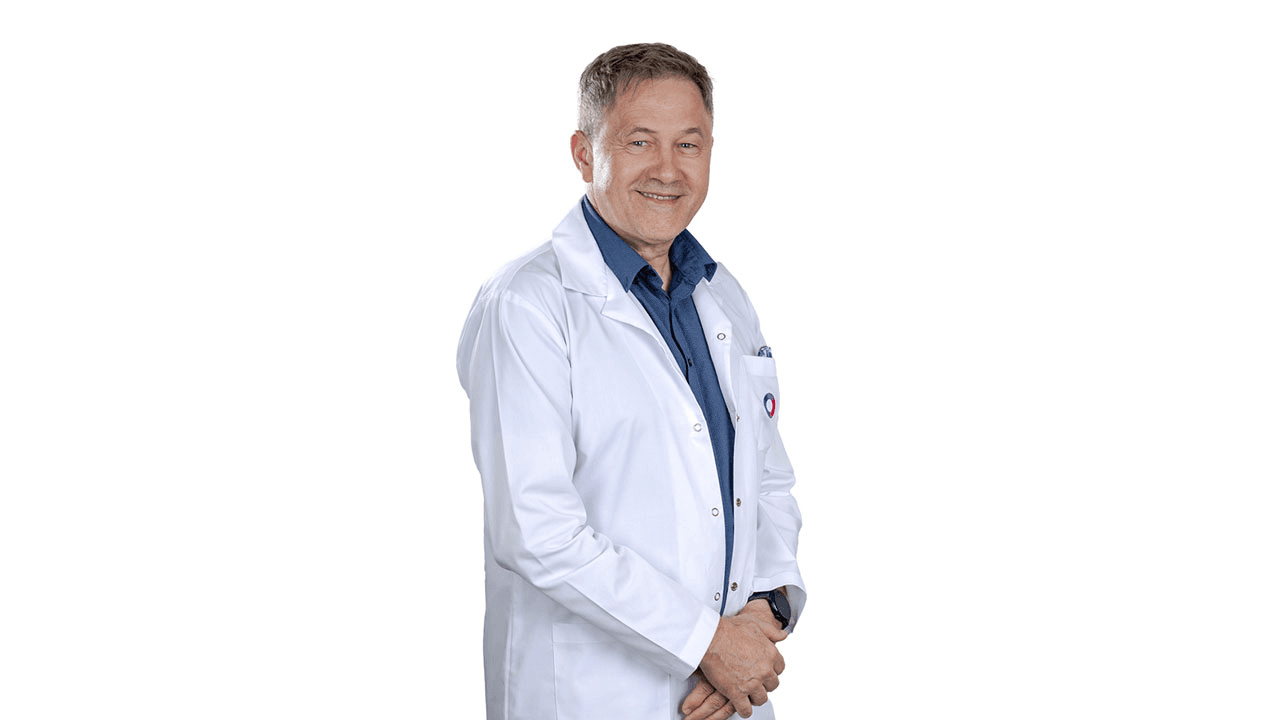
Dr. Milos Pavlovic
Our professor of dermatology and vein expert, Dr. Milos creates individualised plans using ultrasound-guided diagnosis and evidence-based, minimally invasive techniques — focused on symptom relief, long-term vein health and natural-looking results.
Good to know
Frequently asked questions
Take the first step
Lighter, more comfortable legs start here.
Book a consultation with Dr. Milos, or message us any time — we'll talk you through your options, no pressure.