Dermatology · Scar revision
Soften the scar, restore the skin
Scars tell a story — but they don't have to stand out. Whether it's acne scarring, a surgical or injury scar, or a raised, tight or discoloured mark, professor-led scar revision can make it flatter, smoother and far less noticeable. No scar is erased completely, but almost every one can be genuinely improved.
What it is
Helping skin heal more beautifully
A scar forms wherever the skin has been broken and repaired — after acne, surgery, an injury or a burn. How a scar turns out depends on many things: its cause, its depth, where it is on the body, your skin type and how it healed. Some fade well on their own; others stay raised, sunken, tight or a different colour.
Scar revision is the range of treatments that improve a scar's appearance and, where relevant, its comfort and movement. It won't make a scar vanish entirely — no honest treatment can — but the right approach can dramatically soften how it looks and feels.
Realistic goals, real improvement — matched to your scar.
Types of scars, explained
Different scars, different treatments
The best treatment depends entirely on the type of scar. Knowing which you have is the first step to improving it — and often people have more than one kind.
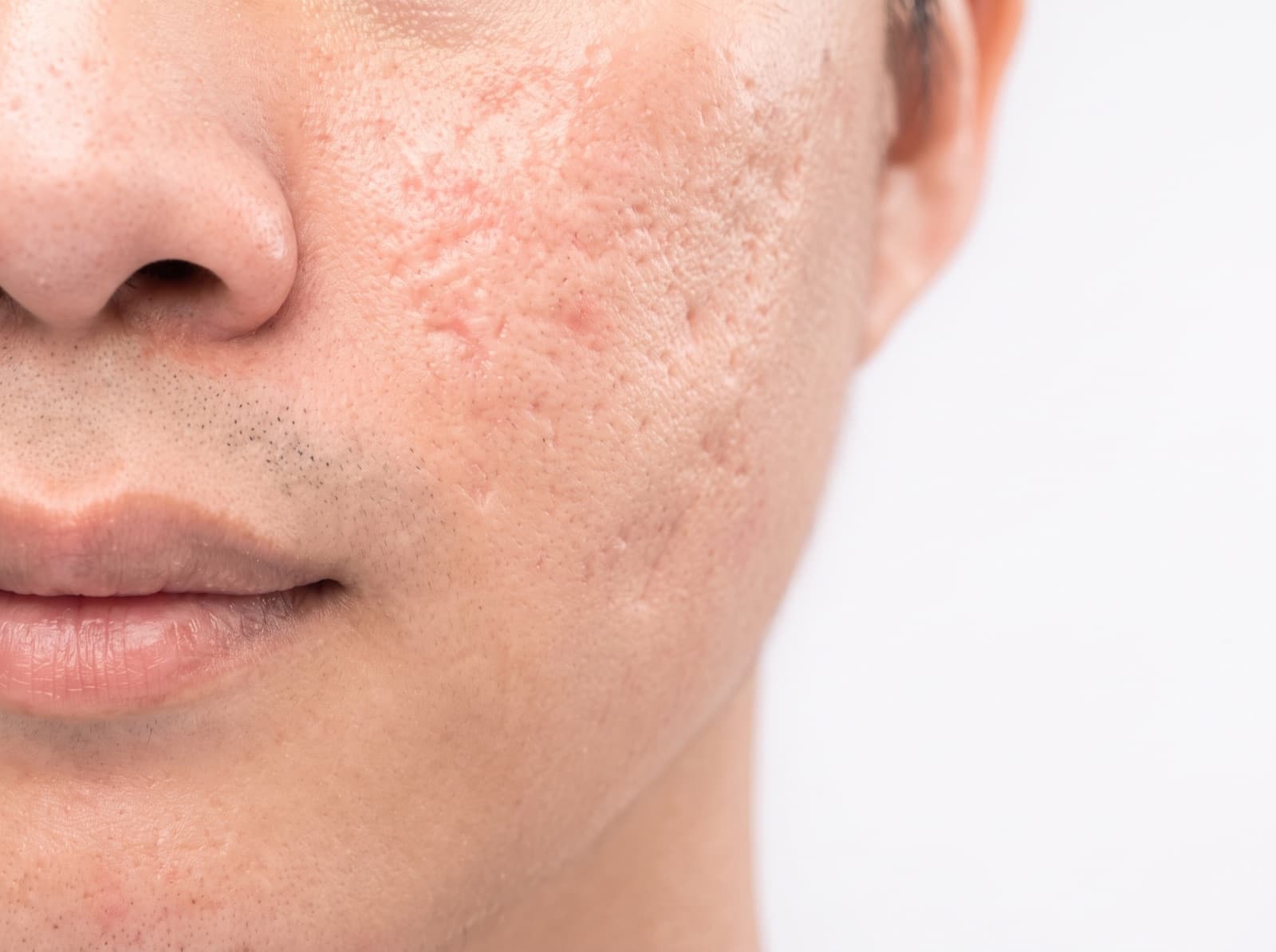
Atrophic (sunken) scars
Pitted or indented scars that sit below the skin — most often from acne (rolling, boxcar, ice-pick) or chickenpox. Caused by lost tissue during healing.
Hypertrophic scars
Raised, firm, red scars that stay within the original wound's borders. Common after surgery, injury or burns, and often improvable over time.
Keloid scars
Raised scars that grow beyond the original wound, sometimes itchy or tender. More common in deeper skin tones and needing specialist, careful treatment.
Contracture scars
Tight scars — typically after burns — that can pull the skin and, over a joint, restrict movement. Treated to improve both look and function.
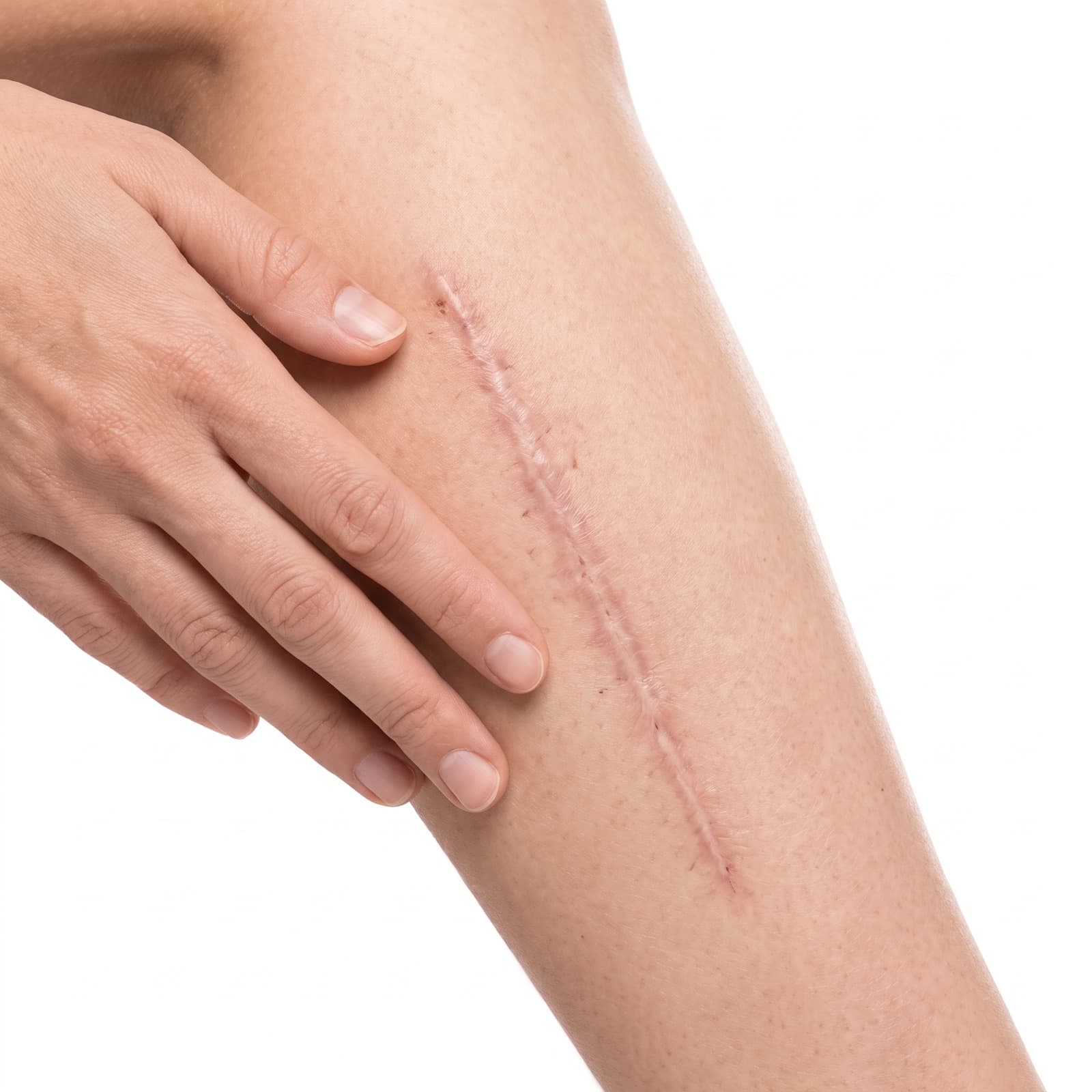
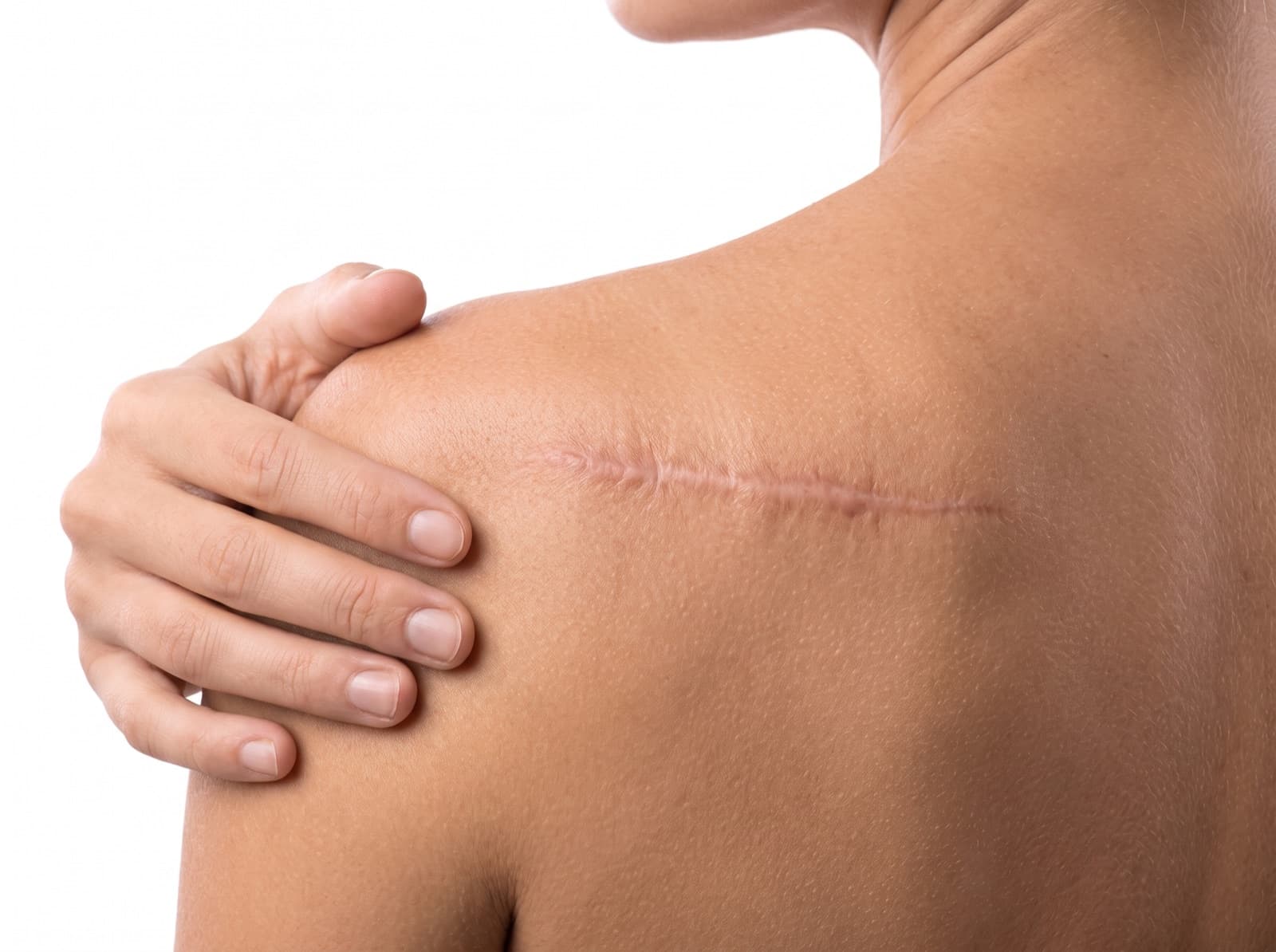
Fine-line & surgical scars
Linear scars from operations or cuts. Often fade well, and can be refined further to blend more smoothly with surrounding skin.
Pigmented & red marks
Flat scars left darker (hyperpigmented) or red after acne or injury — frequently the easiest marks to improve.
What we treat
Scars of every origin
From acne scarring to surgical, injury and burn scars, we improve the appearance — and where relevant the comfort — of scars all over the body.
Acne scarring
Surgical & injury scars
Burn & contracture scars
Raised scars
Treatment options
Often a combination works best
Scar revision rarely relies on one treatment. We layer the right approaches for your scar type — and set out a clear, realistic plan and timeline from the start.
Topical & silicone therapy
Prescription creams, silicone gels and sheets that flatten, soften and fade scars — often the first step, especially for newer scars.
Steroid injections
Injections into raised hypertrophic and keloid scars to flatten them, ease itch and discomfort, and calm overgrown tissue.
Microneedling
Fine needles stimulate collagen to smooth atrophic acne scarring and refine skin texture over a course of sessions.
Chemical peels
Targeted peels to improve shallow scarring, surface texture and post-acne pigmentation for a more even finish.
Laser resurfacing
Laser and light treatments to smooth texture, reduce redness and blend scars — matched carefully to your scar and skin type.
Surgical scar revision
For certain scars, minor surgery repositions or refines the scar so it heals thinner and blends better with the skin.
Treating acne scarring specifically? See our dedicated acne care — clearing active acne first is key to lasting scar results.
Why see a specialist
Scars reward expertise and honesty
Scar revision is as much about judgement as technique — knowing what will help, what won't, and being straight with you about it.
The right treatment for the scar
A sunken acne scar and a raised keloid need opposite approaches. Using the wrong one wastes time — or makes things worse. Professor-led assessment gets it right.
Avoiding worse scarring
Some scars — keloids especially — can react badly to the wrong treatment. Expert judgement protects your skin and chooses what's genuinely safe for you.
A tailored, layered plan
The best results usually combine treatments over time. A specialist sequences them for your scar type, skin tone and goals.
Honest expectations
No scar disappears completely. Good care is honest about what's achievable — and then delivers real, meaningful improvement.
Myths vs facts
Clearing up the confusion
There's plenty of misinformation about scars — and false hope helps no one. Here's what's actually true.
Scar revision removes a scar completely
No treatment erases a scar entirely. Honest scar revision makes a scar flatter, smoother and much less noticeable — real improvement, not disappearance.
It's too late to treat an old scar
Many mature scars still improve with the right treatment. Newer scars often respond fastest, but old scars are well worth assessing too.
Vitamin E or home oils fix scars
Evidence for these is weak, and some can irritate skin. Proven options — silicone, injections, microneedling, laser — work far better.
All scars should be treated the same way
The opposite is true. A sunken scar and a raised keloid need completely different treatments — matching the method to the scar is everything.
Sun exposure doesn't affect scars
Sun can darken and worsen scars, especially new ones. Protecting a healing scar from the sun is one of the simplest ways to help it fade.
Keloids are just big scars you can cut off
Cutting out a keloid alone often makes it grow back larger. Keloids need a careful, combined approach — never simple removal.
What to expect
A gradual, rewarding process
Scar revision takes patience — results build over weeks and months — but with the right plan, the improvement is well worth it.
Consultation
A close assessment of your scar — its type, age and location — plus your skin type and goals, to plan the most effective approach.
Your plan
A tailored, often combined plan with a realistic timeline and honest expectations — what's achievable, over how long, and how many sessions.
Treatment
Carrying out the plan step by step — topical, injectable, in-clinic or surgical — with guidance on caring for the scar between sessions.
Review & refine
Reviewing progress as the scar responds and adjusting the plan, with sun protection and aftercare to protect and maintain your results.

Your specialist
Dr. Milos Pavlovic
Our Professor of Dermatology brings expert judgement to scar revision — matching the right treatments to each scar type, combining them for the best result and being honest about what's achievable. Careful, skilled care to soften scars and even skin.
Good to know
Scar revision, answered
Smoother, more even skin
Book a scar revision consultation
Acne scarring, a surgical or injury scar, or a raised mark you'd like softened — book online or message us and we'll build a realistic plan for your skin.