Dermatology · Rashes & dermatitis
Get to the bottom of an itchy rash
A red, itchy or scaly rash can be uncomfortable, persistent and worrying — and there are dozens of possible causes. The key to clearing it is finding out exactly what it is. Our professor-led care diagnoses rashes and dermatitis accurately, then treats both the flare in front of you and the cause behind it.
What it means
A rash is a symptom, not a diagnosis
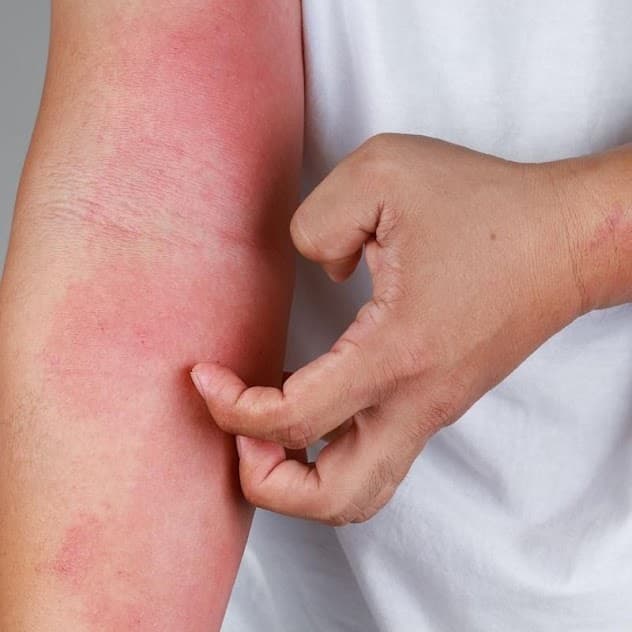
"Rash" is a catch-all for skin that's become red, itchy, bumpy, scaly or inflamed. "Dermatitis" simply means inflammation of the skin — and it comes in several distinct types, each with its own cause and treatment. The same-looking rash can have very different origins.
That's why guessing rarely works, and why the wrong cream can sometimes make things worse. A dermatologist reads the pattern, distribution and history of a rash to pin down what it actually is — an irritant, an allergy, an infection, a chronic condition — and treats accordingly.
Diagnose the rash — then calm it properly.
Types of dermatitis & rashes
Many conditions, one symptom
Dermatitis alone comes in several forms — and beyond it lie dozens of other rashes. Telling them apart is exactly what a dermatologist is trained to do.
Contact dermatitis
Triggered by something the skin touches — either an irritant (soaps, detergents, chemicals) or an allergen (nickel, fragrances, cosmetics). Often on the hands.
Atopic dermatitis (eczema)
A chronic, itchy, dry-skin condition often running with asthma and hay fever. Common in children but affecting adults too.
Dedicated eczema careSeborrhoeic dermatitis
Red, flaky, sometimes greasy patches on the scalp, face and around the nose — dandruff is its mildest form. Comes and goes in flares.
Nummular dermatitis
Coin-shaped patches of itchy, sometimes weepy skin, often on the limbs — frequently linked to very dry skin.
Stasis dermatitis
Discoloured, itchy, swollen skin on the lower legs, linked to poor circulation and fluid pooling — needing the underlying cause addressed too.
Other rashes
Hives (urticaria), heat rash, drug rashes, fungal and viral rashes, pityriasis and more — all assessed to find the true cause.
What causes rashes
Four broad reasons skin flares
Rashes come from irritation, allergy, immune conditions or infection — and often a combination. Finding which is the whole point of a proper assessment.
Irritants & allergens
Everyday contact with soaps, detergents, chemicals, metals, fragrances and cosmetics — the leading cause of contact dermatitis.
Immune & inflammation
An overactive immune response drives chronic conditions like eczema, psoriasis and seborrhoeic dermatitis.
Infections
Fungal, bacterial and viral infections all cause rashes — and each needs its own specific treatment, not just a steroid cream.
Triggers & environment
Heat, sweat, dryness, stress, certain foods and medications can all set off or worsen a rash in susceptible skin.
Common triggers to watch for
When to get it checked
Signs a rash needs a specialist
Many rashes settle on their own — but some deserve prompt attention. If any of these apply, it's worth being seen.
Seek urgent care for a rash with difficulty breathing, facial or lip swelling, or a rash that doesn't fade when pressed with a glass — these can signal a serious reaction.
Treatment options
Treating the flare and the cause
Good rash care does two things at once — settles the current flare and tackles what's driving it, so it's less likely to come back.
Diagnosis & patch testing
Identifying the rash — with patch testing where an allergy is suspected — so treatment targets the true cause, not just the symptom.
Topical treatments
Prescription anti-inflammatory creams, calming emollients and, where needed, antifungal or antibacterial treatments for the right diagnosis.
Barrier repair & emollients
Rebuilding the skin barrier with the right moisturisers and a gentle routine — central to calming and preventing many rashes.
Oral medication
Antihistamines for itch, or short courses of oral treatment for more widespread or stubborn inflammation, prescribed and monitored.
Trigger identification
Working out and avoiding what sets your skin off — irritants, allergens and environmental triggers — to prevent flares returning.
Long-term management
For chronic dermatitis, a maintenance plan that keeps skin calm and flares infrequent, adjusted as your skin changes.
Why see a specialist
Because a rash is only the surface
Clearing a rash for good means understanding what caused it — the part a specialist eye is built for.
Accurate diagnosis
Dozens of conditions look alike as a red, itchy rash. A dermatologist reads the clues — pattern, site, history — to name it correctly, which is where effective treatment starts.
The wrong cream can worsen it
Steroid creams help some rashes and worsen others — like fungal infections. Getting the diagnosis right first avoids the common trap of treating blind.
Finding hidden triggers
With tools like patch testing, we uncover the irritants and allergens behind stubborn rashes, so they can finally be avoided.
Lasting relief
Treating the cause, not just the itch, means calmer skin that stays calm — rather than a cycle of flares and quick fixes.
Myths vs facts
Clearing up the confusion
Rashes attract a lot of well-meaning but unhelpful advice. Here's what's actually true.
A rash always means an allergy
Not at all. Allergy is just one cause — irritants, infections, immune conditions and dryness cause far more rashes than true allergy does.
Steroid cream is safe for any rash
Steroids help many rashes but worsen others — a fungal rash, for instance, can spread under steroid cream. That's why diagnosis comes first.
If it's not itchy, it's nothing
Some significant rashes barely itch, while some harmless ones itch intensely. Itch alone doesn't tell you how serious a rash is.
Rashes are contagious
Most aren't. Eczema, contact dermatitis and psoriasis can't be caught — though some infections (like fungal or viral rashes) can spread, which is another reason to diagnose them.
You should scrub or dry out a rash
Scrubbing and harsh drying usually inflame skin further. Most rashes calm with gentle care and the right moisturiser, not aggressive treatment.
There's no point seeing a doctor for a rash
For a persistent, spreading or recurring rash, a specialist can end the guesswork — naming it and treating the cause, often after you've tried everything else.
What to expect
From guesswork to a clear answer
The relief of a rash is often as much about finally knowing what it is as it is about the treatment itself.
Consultation
A close look at the rash — its appearance, pattern and location — plus your history, triggers and anything that makes it better or worse.
Diagnosis
Reaching an accurate diagnosis, with patch testing or a skin swab/scraping where needed to confirm an allergy or infection.
Treatment plan
A clear plan to settle the flare and address the cause — topical, oral and skincare — with trigger advice tailored to you.
Review & prevent
Reviewing how your skin responds and, for recurring rashes, a prevention plan to keep flares away for good.

Your specialist
Prof. Dr. Milos Pavlovic
Our Professor of Dermatology is expert at reading rashes — distinguishing the many forms of dermatitis, allergy and infection that can look alike, uncovering hidden triggers and treating both the flare and its cause, for adults and children. Answers and relief, in expert hands.
Good to know
Rashes & dermatitis, answered
End the guesswork
Book a rash consultation
An itchy, stubborn or recurring rash you'd like answers on? Book online or message us and we'll find the cause and calm your skin.