Dermatology · Melasma
Even, radiant skin — patch by patch
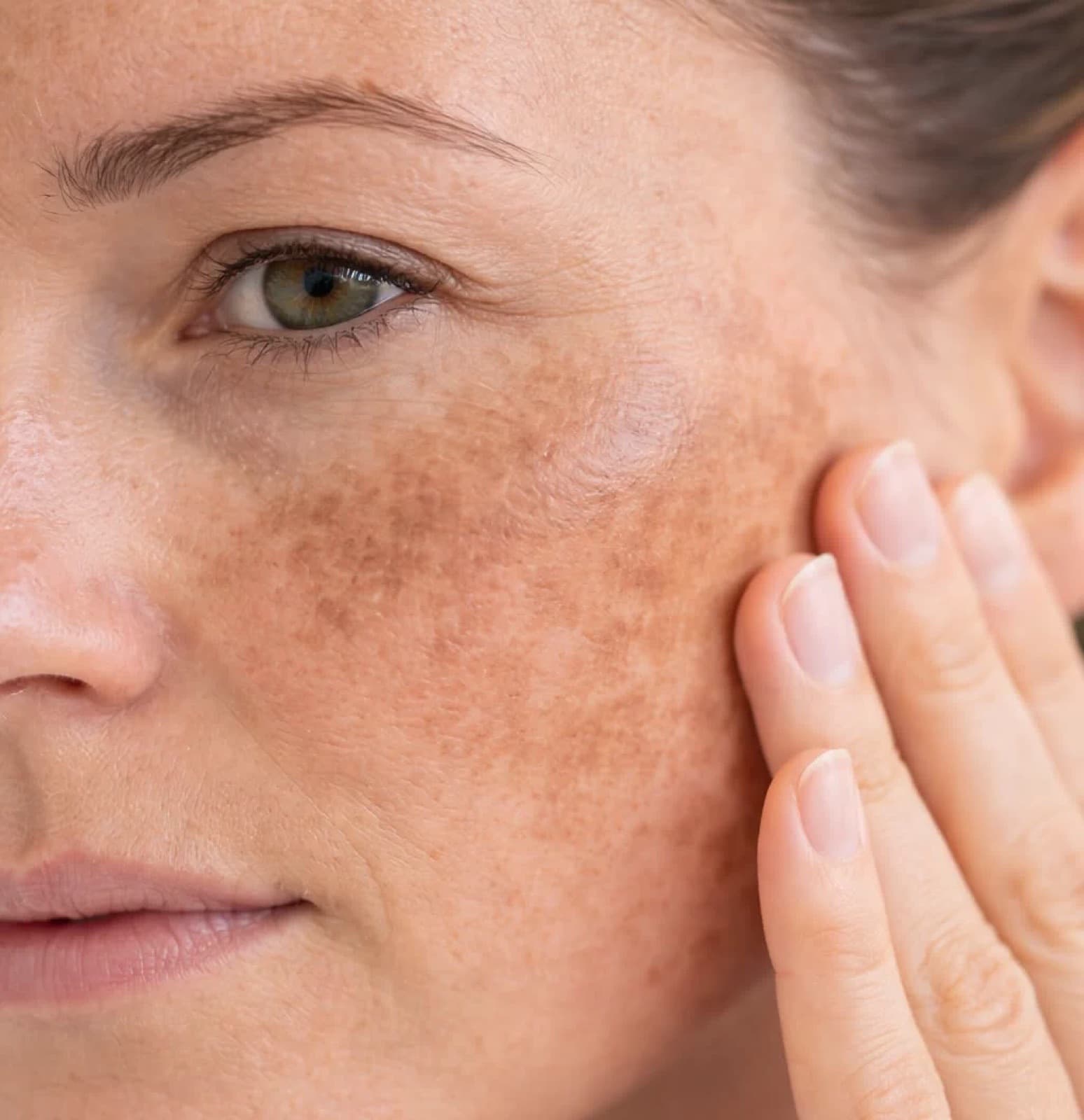
Melasma — those stubborn brown or grey-brown patches, usually across the cheeks, forehead and upper lip — is one of the most common pigmentation concerns, and one of the trickiest to treat well. It's harmless, but it can be persistent and disheartening. With professor-led care and the right long-term plan, it can be faded and kept under control.
What it is
When skin makes too much pigment
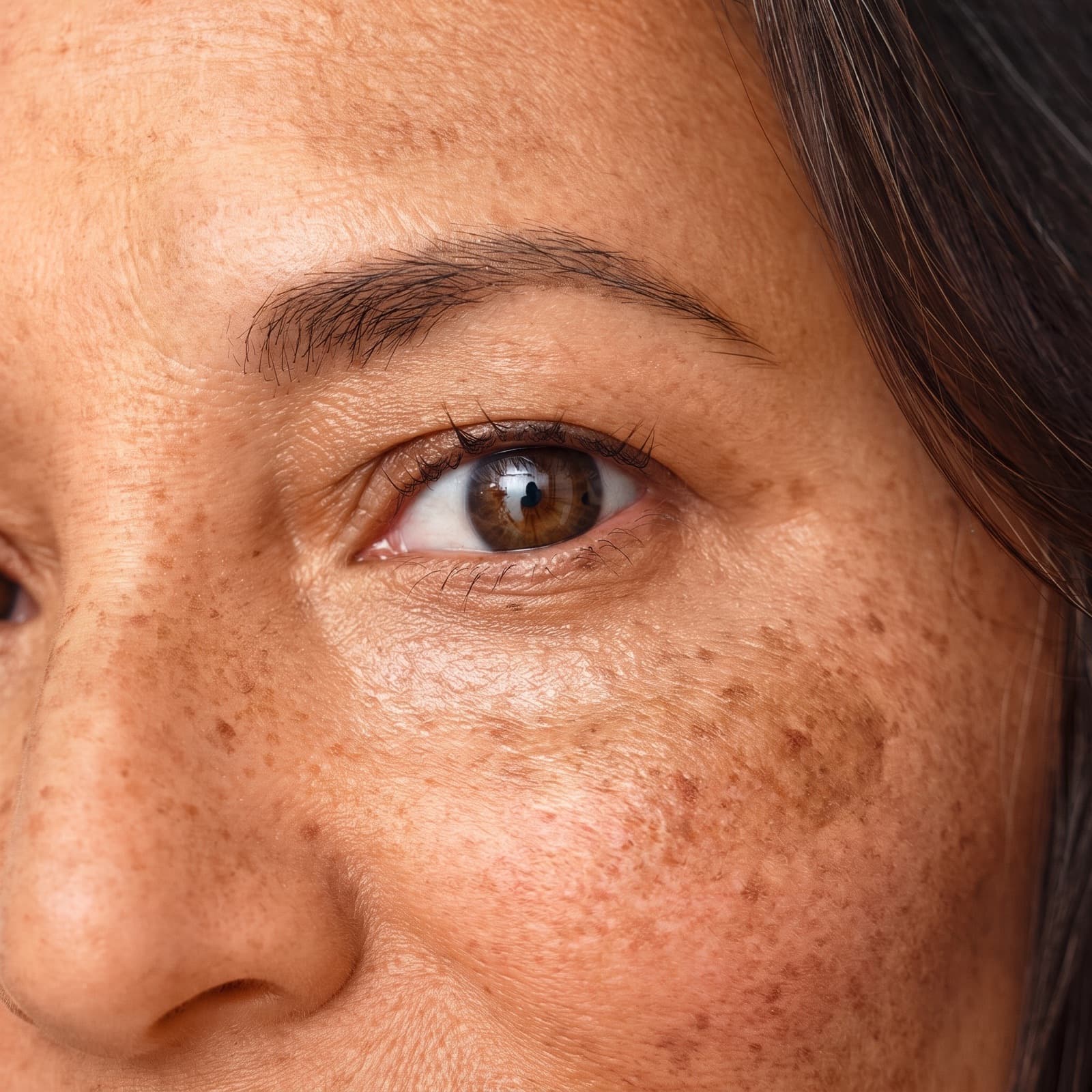
Melasma happens when the skin's pigment cells (melanocytes) become overactive and produce too much melanin in patches. It shows up as symmetrical brown or grey-brown areas — most often on the cheeks, forehead, bridge of the nose and upper lip — and it's especially common in women and in medium-to-deeper skin tones.
It's completely harmless and never turns into anything dangerous. But because it's driven by sunlight and hormones, it's stubborn and prone to coming back — which is exactly why it responds best to specialist care and a patient, long-term approach rather than quick fixes.
Fading the pigment — and protecting against its return.

Types of melasma, explained
Not all melasma is the same
Melasma is grouped by how deep the pigment sits — which strongly shapes how treatable it is — and by where on the face it appears. Understanding your type is the first step to treating it well.
By depth
How treatable it tends to be
Pigment sits in the upper layer of skin. It tends to have a well-defined brown colour and generally responds best to treatment.
Pigment lies deeper in the skin, often looking greyish or bluish with less defined edges. It's more stubborn and needs a patient approach.
A combination of both — the most common type — with pigment at more than one depth, calling for a carefully layered treatment plan.
By pattern
Where it appears on the face
The most common pattern — forehead, cheeks, nose, upper lip and chin.
Focused on the cheeks and nose.
Along the jawline, more often seen with sun exposure over time.
Why depth matters. Pigment near the surface fades more readily than pigment deep in the skin. Your specialist can assess the depth — sometimes with a special lamp — and set realistic expectations, which is key to a plan that actually works.
What causes melasma
Sunlight and hormones, mostly
Melasma is a mix of what you're born with and what your skin is exposed to. You can't change your genes — but understanding the triggers is what makes treatment stick.
Sun & UV exposure
The single biggest driver. UV — and even visible light and heat — switches on pigment cells, which is why melasma flares in summer and returns without daily sun protection.
Hormones
Pregnancy (where it's called the 'mask of pregnancy'), the contraceptive pill and hormone therapy all trigger melasma — which is why it affects women far more than men.
Genetics & skin tone
Melasma runs in families and is more common in medium-to-deeper skin tones, where pigment cells are naturally more active.
Heat & irritation
Heat itself, and harsh or irritating skincare, can worsen melasma — so gentle, calming care is part of the treatment, not just the products you avoid.
Common triggers that can make it worse
Treatment options
A careful, layered approach
Melasma needs a gentle hand — aggressive treatment can backfire and deepen pigment. We combine protection, brightening and, where appropriate, in-clinic procedures, all tailored to your skin.
Sun protection
The foundation of every melasma plan — daily broad-spectrum SPF (ideally tinted, to block visible light too). Without it, no other treatment lasts.
Topical brightening creams
Prescription agents that calm overactive pigment — such as tranexamic acid, azelaic acid, vitamin C and, where suitable, hydroquinone or retinoids.
Chemical peels
Gentle, carefully chosen peels that lift surface pigment and refresh the skin — always cautiously, to avoid provoking more pigment.
Oral tranexamic acid
For suitable, more stubborn cases, a low-dose oral option that can meaningfully reduce pigment, prescribed and monitored by your specialist.
Advanced procedures
Selected, low-energy laser or light treatments in resistant cases — used sparingly and expertly, because the wrong device can make melasma worse.
Maintenance plan
Melasma is managed, not cured. A gentle long-term routine keeps pigment faded and catches any flare early.
Why see a specialist
Melasma rewards the right hands
Few skin conditions punish over-treatment like melasma does. Expert, cautious care is the difference between fading it and flaring it.
The wrong treatment can worsen it
Melasma is notorious for rebounding — harsh peels, strong lasers or irritating products can deepen pigment. Specialist judgement protects your skin.
Accurate diagnosis first
Not every brown patch is melasma. A dermatologist distinguishes it from sun spots, post-inflammatory marks and other pigmentation, so treatment is right from the start.
A plan tuned to your skin
Depth, skin tone and triggers all shape what will work. Professor-led care tailors and adjusts the plan rather than applying a one-size approach.
Realistic, lasting results
The goal is meaningful, maintainable fading — not false promises. Managing expectations honestly is part of getting a genuinely good outcome.
Myths vs facts
Clearing up the confusion
Melasma is widely misunderstood — and some common 'fixes' actively make it worse. Here's what's actually true.
Melasma will just go away on its own
Sometimes pregnancy-related melasma fades after birth — but most melasma persists for years without treatment and steadily worsens with sun exposure.
A strong laser will zap it away
Aggressive lasers are one of the fastest ways to make melasma worse. It needs gentle, expert treatment — the opposite of a quick, powerful blast.
You only need sunscreen in summer
UV and visible light drive melasma all year round, even through cloud and glass. Daily, year-round protection is non-negotiable for lasting results.
Scrubbing the patches will fade them
Exfoliating and scrubbing irritate the skin and provoke more pigment. Melasma responds to calm, gentle care, not harsh treatment.
Once it's gone, it's gone for good
Melasma is managed rather than cured. Even after it fades, it can return — which is why a maintenance plan and sun protection matter long term.
It's a sign of something serious
Melasma is completely harmless and never becomes dangerous. It's a cosmetic and confidence concern, not a health risk.
What to expect
A patient path to even skin
Melasma fades gradually, not overnight — but with a careful plan and consistency, real, lasting improvement is very achievable.
Consultation
A close assessment of your pigmentation — confirming it's melasma, judging its depth and identifying your triggers and history.
Your plan
A personalised, layered plan — sun protection, topical brightening and any in-clinic treatment — with honest, realistic timelines.
Treatment
Starting gently and building carefully, with guidance to protect your skin and avoid the irritation that can set melasma off.
Review & maintain
Regular review to track fading and adjust, then a long-term maintenance routine to keep pigment down and catch flares early.

Your specialist
Prof. Dr. Milos Pavlovic
Our Professor of Dermatology brings deep expertise to pigmentation disorders like melasma — where careful diagnosis, the gentlest effective treatment and a long-term plan make all the difference. Expert, cautious care to fade pigment and keep it faded.
Good to know
Melasma, answered
Even, radiant skin
Book a melasma consultation
Stubborn patches you'd like to fade — safely and for the long term? Book online or message us and we'll build the right plan for your skin.