Dermatology · Hyperpigmentation
Even tone, brighter skin
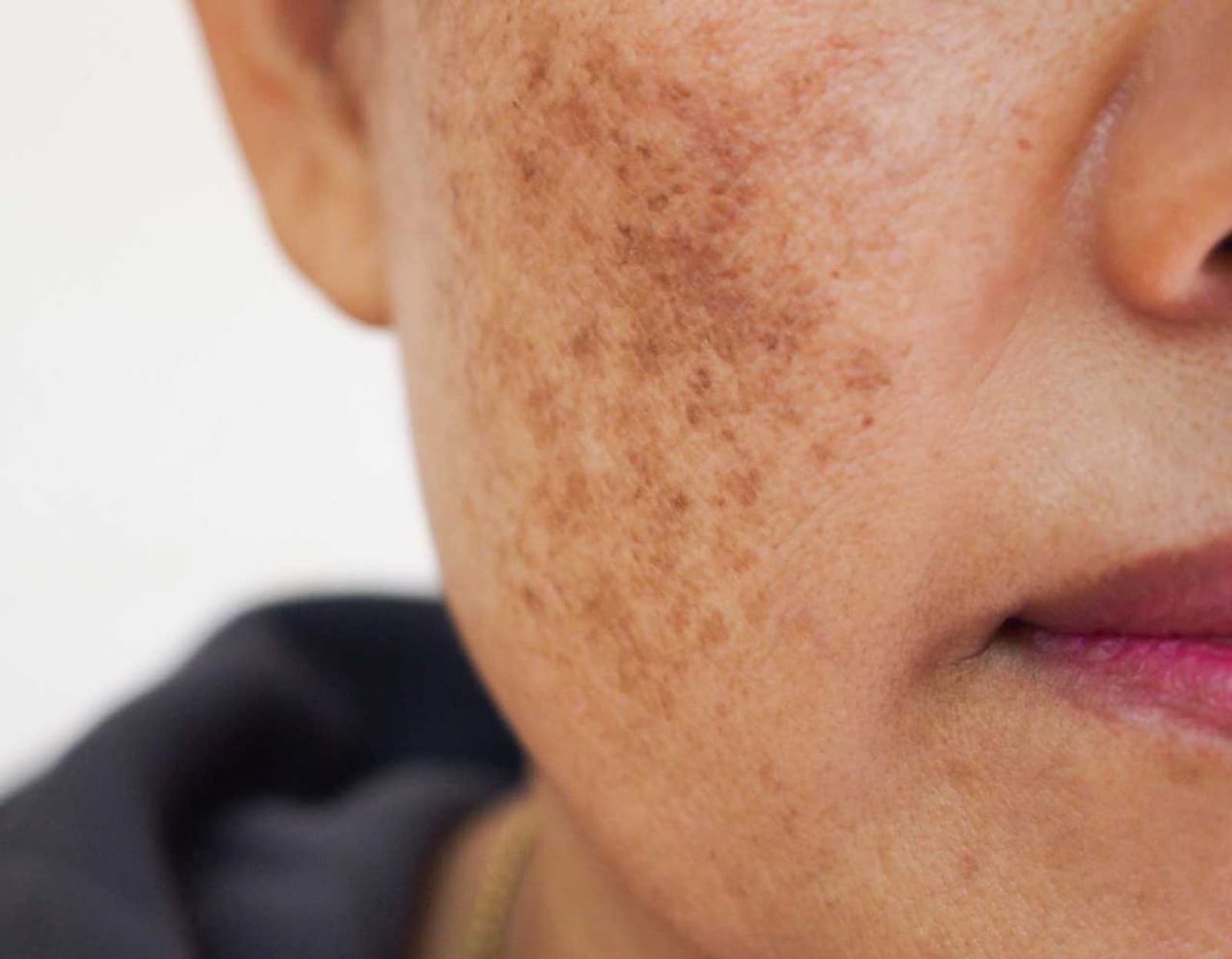
Hyperpigmentation — dark spots, brown patches and uneven tone — develops when the skin produces excess melanin. It's common, usually harmless, and affects every skin type, including deeper tones. With an accurate diagnosis and the right, skin-tone-aware plan, it can be faded and kept at bay.
What it is
When the skin makes too much pigment
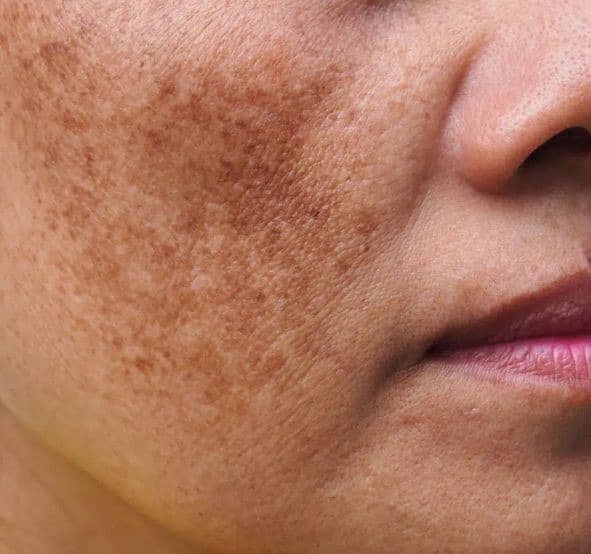
Hyperpigmentation happens when melanin — the pigment that gives skin its colour — is overproduced, leaving areas that look darker than the surrounding skin. It can show up as dark patches, brown patches, uneven tone, dark spots or facial pigmentation.
It's often harmless, but it can affect confidence and the overall look of the skin — and it's particularly common, and sometimes stubborn, in deeper skin tones. Managing it well usually takes a layered approach: professional treatment plus a consistent everyday routine and diligent sun protection.
Fading pigment is a gradual process — steady, skin-tone-aware care gets the best, safest result.
Types of hyperpigmentation
Knowing the cause guides the cure
Different kinds of pigmentation respond to different treatment — so identifying which you have is the first step to clearing it safely.
Melasma
Hormonal
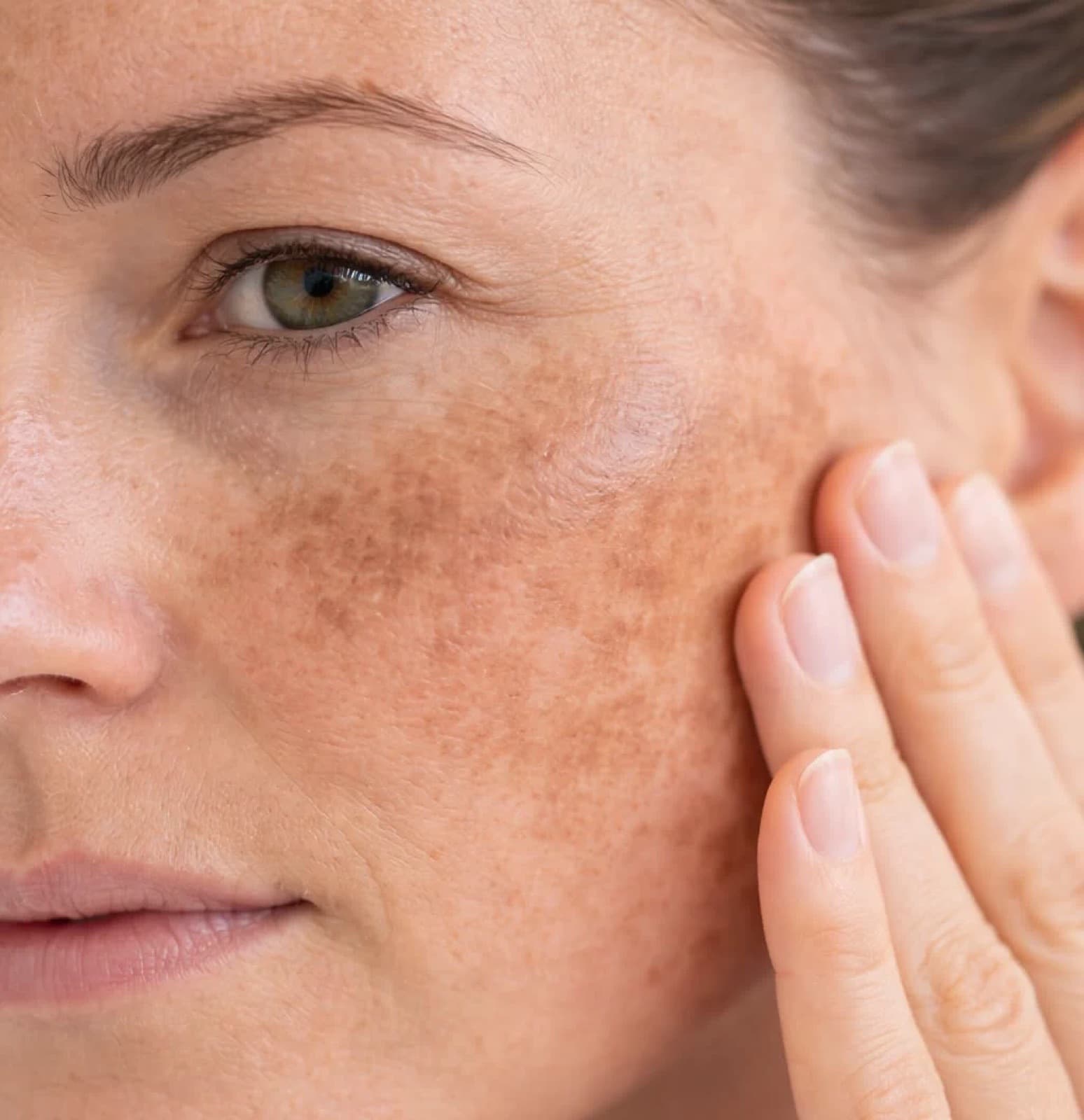
Symmetrical brown or grey patches, often on the cheeks and forehead. Triggered by hormones — pregnancy, the pill — and worsened by sun. Consistent SPF is essential.
Post-inflammatory
After healing
Dark marks left after acne, injury, a rash or a burn. The skin over-produces melanin as it heals — more intense and longer-lasting in deeper skin tones.
Sunspots
Sun damage
Also called age or liver spots — flat brown patches from cumulative UV exposure, usually on the face, hands, shoulders and chest over time.
What can cause it
Rarely, pigment changes can signal an underlying condition — seek advice if pigmentation appears suddenly or changes quickly.
Treatment options
A layered, skin-tone-aware plan
Fading pigment safely — especially in deeper skin tones — means combining the right treatments at the right strength, always on a foundation of sun protection.
Sun protection
Daily broad-spectrum SPF is non-negotiable — UV drives pigment and undoes progress. It's the base of every plan and the best prevention.
Topical brightening
Prescription-strength actives — such as azelaic acid, vitamin C, retinoids and, where appropriate, hydroquinone — to fade pigment and even tone, used under supervision.
Chemical peels
Carefully selected peels accelerate skin renewal to lift pigment — with strength and type chosen to suit your skin tone safely.
Laser & energy devices
Targeted laser or light for stubborn pigment — used judiciously and conservatively in deeper skin tones to avoid rebound pigmentation.
Cause-first assessment
Every plan starts by identifying the type and trigger — because melasma, post-inflammatory marks and sunspots each need a different approach.
Maintenance plan
A long-term routine to hold your results and prevent pigment returning — the part that keeps skin even and bright over time.
Why see a specialist
Pigment is easy to worsen
The wrong products or an over-aggressive approach can make hyperpigmentation worse — particularly in deeper skin tones. Expert, cautious care makes the difference.
Skin-tone expertise
Deeper skin tones need pigment managed carefully — too strong, too fast, and treatment can trigger more pigmentation, not less.
Get the cause right
Melasma, post-inflammatory pigment and sunspots look similar but respond differently. Accurate diagnosis is where safe results begin.
Avoid rebound
Some over-the-counter routines fade pigment briefly then rebound worse. A specialist plan gives steady, lasting improvement.
Realistic, lasting results
Pigment fades gradually. A professor-led plan sets the right expectations and builds in maintenance so results hold.
What to expect
Brighter skin, gradually
Pigment fades as skin renews — steady progress with the right plan, protected by sun-smart habits.
Skin assessment
A detailed assessment to identify the type and cause of your pigmentation and your skin tone's needs.
Your plan
A layered plan — sun protection, topical actives and any in-clinic treatment — at strengths chosen to be safe for your skin.
Treatment
Pigment lifts gradually as skin renews. We adjust as we go to keep progress steady and avoid irritation or rebound.
Maintain
A long-term routine and sun-smart habits to hold your results and keep new pigment from forming.

Your specialist
Prof. Dr. Milos Pavlovic
Our Professor of Dermatology treats hyperpigmentation with advanced, evidence-based care tailored to different skin types and tones — prioritising safety and accuracy, identifying the cause first, and building a plan for clearer, more even skin that lasts.
Good to know
Hyperpigmentation, answered
Clearer, brighter skin
Book a pigmentation consultation
Dark spots or uneven tone you'd like to fade — safely, whatever your skin tone? Book online or message us and we'll build the right plan.