Dermatology · Acne reduction
Clearer skin, and the confidence with it
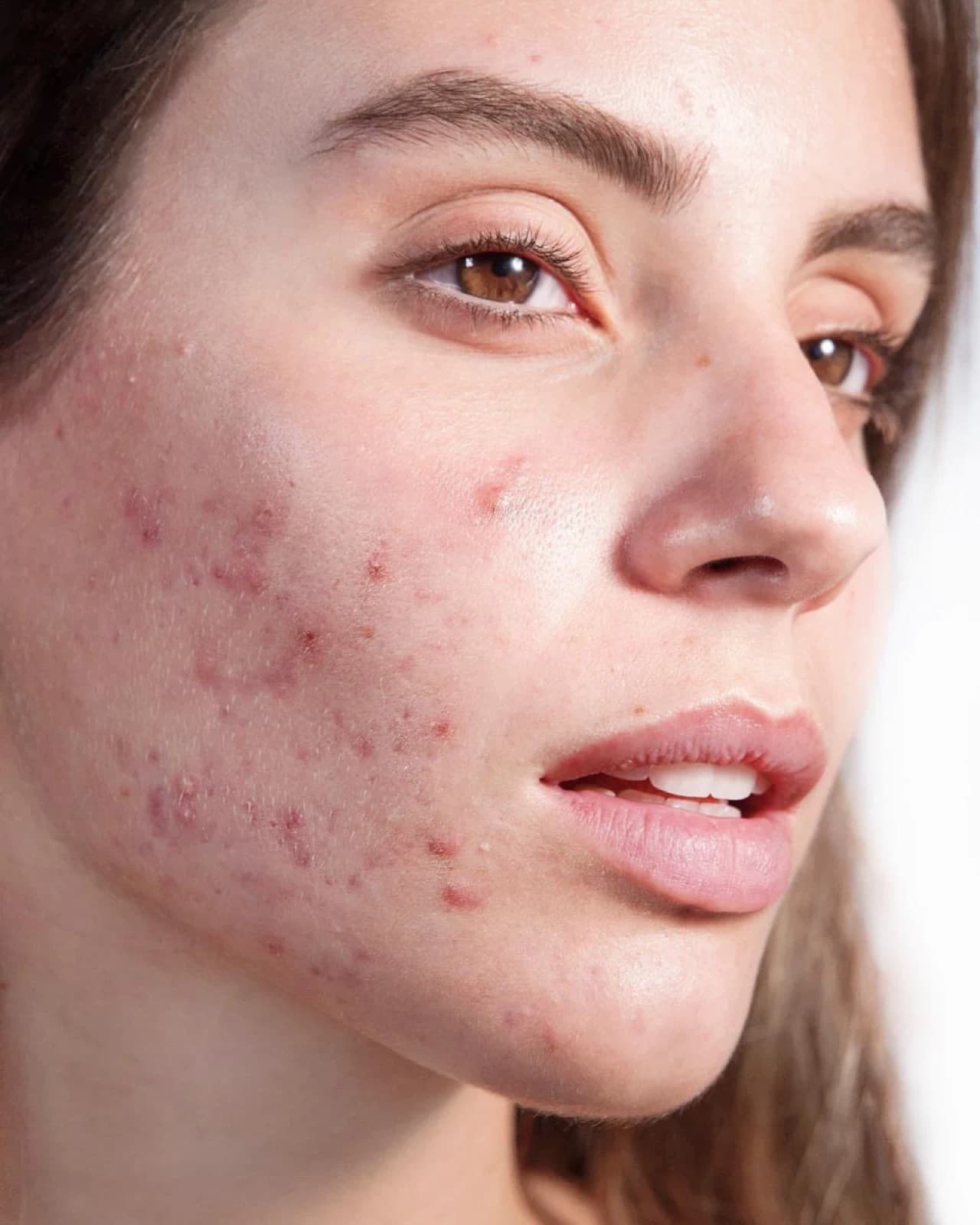
Acne is the most common skin condition there is — and one of the most treatable. Whether it's teenage breakouts, stubborn adult acne or the scarring left behind, professor-led care can genuinely change your skin. With the right diagnosis and a plan built around you, clearer skin is within reach.
What it's for
More than skin deep
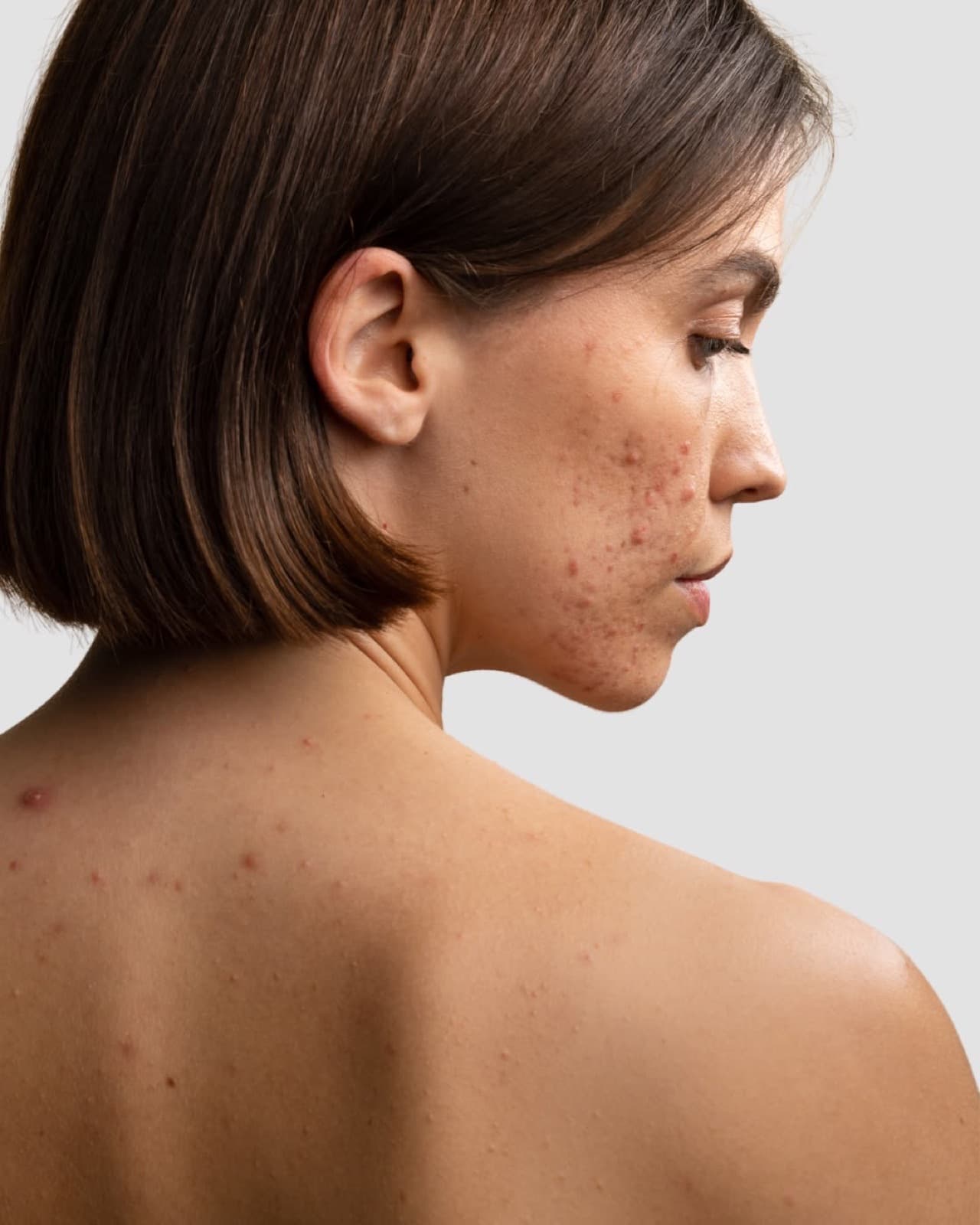
Acne happens when pores become blocked with oil and dead skin, letting bacteria and inflammation build up. It's driven by hormones, genetics and skin type — never by poor hygiene — and it can appear well beyond the teenage years, affecting many adults, women especially.
Left alone, persistent acne can leave lasting marks and scarring, and take a real toll on confidence. The good news is that almost all acne can be improved with the right treatment. Our professor-led care finds what's driving yours and builds a plan to clear it and keep it clear.
Treating the acne — and protecting the skin from scarring.
Types of acne, explained
Understanding what's on your skin
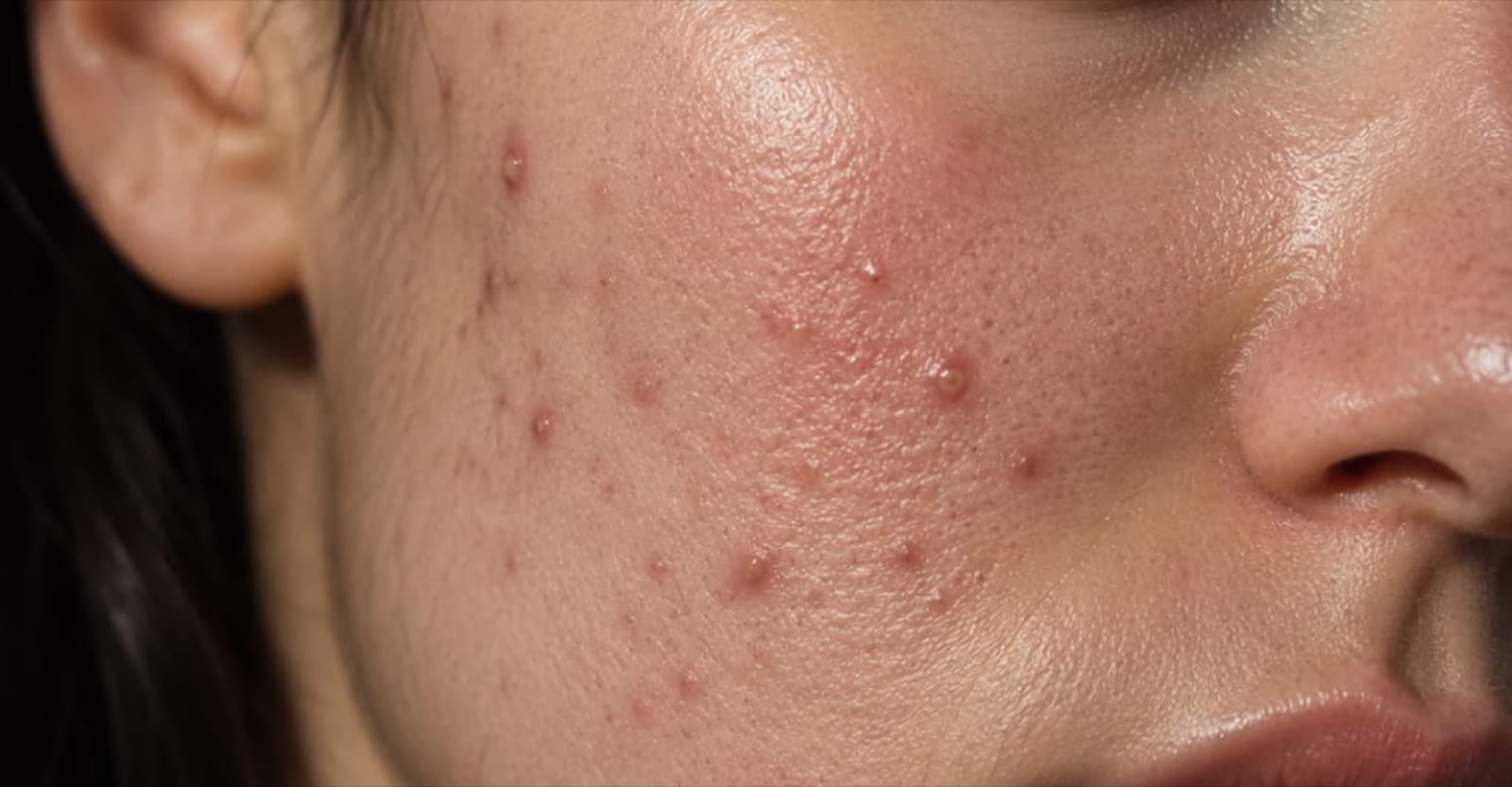
"Acne" covers several different kinds of spot — and knowing which you have shapes the right treatment. They fall into two broad groups: non-inflammatory and inflammatory.
Non-inflammatory
Blocked pores, little redness
Small, dark spots where a blocked pore stays open at the surface. The dark colour isn't dirt — it's pigment and oil reacting with the air.
Tiny flesh-coloured or white bumps where the blocked pore is closed over by skin, trapping oil and cells underneath.
Inflammatory
Red, swollen, sometimes painful
Small, red, raised and tender bumps where a blocked pore has become inflamed. There's no visible 'head' of pus.
The classic 'spot' — a red base topped with a white or yellow head of pus. Inflamed, and best not squeezed, to avoid scarring.
Larger, hard, painful lumps deep under the skin. They don't come to a head and usually need specialist treatment to settle.
The most severe type — large, pus-filled, painful lumps deep in the skin. Cystic acne is most likely to scar and warrants prompt specialist care.
Grades of acne. Dermatologists also grade acne as mild, moderate or severe, based on how many spots there are, how inflamed they are and whether nodules or cysts are present. The grade guides how we treat it — from topical creams for mild acne to advanced therapy for severe, scarring cases.
What causes acne
Four things behind almost every breakout
Acne isn't about being 'unclean'. It comes down to how oil, skin cells, bacteria and inflammation interact in the pore — usually nudged along by hormones and genetics.
Excess oil (sebum)
Skin glands produce too much oil, which mixes with dead skin cells and blocks the pore — the starting point of every spot.
Hormones
Puberty, periods, pregnancy, stress and conditions like PCOS all shift hormones that ramp up oil production. This is why acne is so common in teens and in adult women.
Bacteria
A skin bacterium (C. acnes) thrives in blocked pores, feeding inflammation and turning a simple blockage into an inflamed spot.
Genetics
Acne often runs in families. If your parents had it, you're more likely to as well — it's about how your skin is built, not anything you've done.
Common triggers that can make it worse
What we treat
Every kind of acne, and what it leaves behind
From the first breakouts to stubborn cystic acne and the scarring it can leave, we treat the whole spectrum — for teenagers and adults alike.
Types of acne
Who it affects
Marks & scarring
Related concerns
Treatment options
The right treatment for your skin
There's no one-size-fits-all with acne. We match the treatment to the type and severity of your acne, your skin and your life — and adjust as your skin improves.
Topical treatments
Prescription creams and gels — retinoids, benzoyl peroxide and antibiotics — that unblock pores, calm inflammation and clear breakouts.
Oral medication
Where acne is more stubborn, oral antibiotics or hormonal treatment can make a real difference, prescribed and monitored by your specialist.
Isotretinoin (for severe acne)
For severe or scarring acne, carefully supervised isotretinoin offers a powerful, often life-changing route to lasting clearance.
Skincare & routine
A tailored, dermatologist-designed skincare routine that supports treatment and keeps skin clear without irritation.
Acne scar treatment
Targeted care for the marks acne leaves behind — smoothing texture and evening tone once active acne is under control.
Hormonal assessment
Where hormones are driving breakouts — including PCOS-related acne — we assess and treat the underlying cause, not just the skin.
Why see a specialist
Because acne is worth treating properly
Over-the-counter products help some people, but persistent acne needs a specialist eye — to clear it, prevent scarring and protect how you feel.
Prevent scarring
The single best way to avoid permanent acne scars is to treat active acne early and well — before it has the chance to leave a lasting mark.
Treat the real cause
Acne has many drivers — hormones, skin type, genetics. A specialist finds what's fuelling yours, so treatment actually works rather than just masking it.
Protect confidence
Acne affects far more than skin. Clearing it — and doing so kindly and effectively — lifts how you feel every day, not just how you look.
Lasting results
Our goal isn't a quick fix but clear skin that stays clear, with a maintenance plan that keeps breakouts from returning.
Myths vs facts
Clearing up the confusion
There's a lot of misinformation about acne — some of it genuinely harmful. Here's what's actually true.
Acne means you're not washing enough
Acne is driven by hormones, oil and genetics — not dirt. Over-washing and scrubbing can actually irritate skin and make it worse.
Chocolate and greasy food cause acne
Diet plays a minor role at most for most people. There's no need to cut out whole food groups — the real drivers are internal.
Popping spots helps them heal
Squeezing pushes inflammation deeper, delays healing and is one of the surest ways to cause permanent scarring.
You'll simply grow out of it
Many do, but acne can persist for years or start in adulthood. And waiting risks scarring — early treatment is almost always the better path.
Sunbathing clears acne
Sun may briefly mask redness, but it damages skin, can worsen acne afterward and darkens marks. Sun protection matters, especially on treatment.
Expensive products are the answer
Price doesn't equal results. The right prescription treatment for your acne type matters far more than a costly shelf product.
What to expect
A clear path to clearer skin
Acne treatment takes a little patience — but with the right plan and support, real change is genuinely achievable.
Consultation
A close look at your skin and the type and severity of your acne, plus your history, triggers and what you've tried before.
Your plan
A personalised treatment plan — topical, oral or advanced — explained clearly, with realistic timelines for what to expect.
Treatment
Starting treatment with guidance on how to use it and support your skin, minimising irritation and maximising results.
Review & maintain
Regular review to track progress and adjust, then a maintenance plan to keep your skin clear and treat any scarring.

Your specialist
Dr. Milos Pavlovic
Our Professor of Dermatology leads acne care for teenagers and adults — from everyday breakouts to severe, scarring acne — combining expert diagnosis, evidence-based treatment and, where it's needed, carefully supervised advanced therapy, all focused on clear, healthy skin.
Good to know
Acne treatment, answered
Clearer skin starts here
Book an acne consultation
Teenage breakouts, adult acne or scarring you'd like to treat — book online or message us and we'll help you get to clearer skin.