



Varicose Veins Treatment
Diagnosis and Advanced Treatment for Varicose Veins
Varicose veins treatment focuses on improving blood flow, relieving symptoms, and restoring the appearance and health of affected veins using modern, minimally invasive techniques.
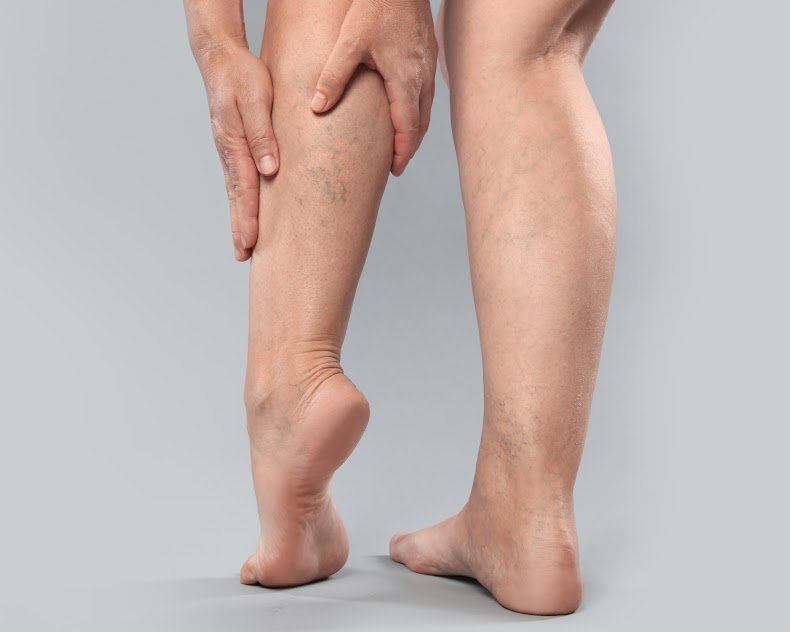
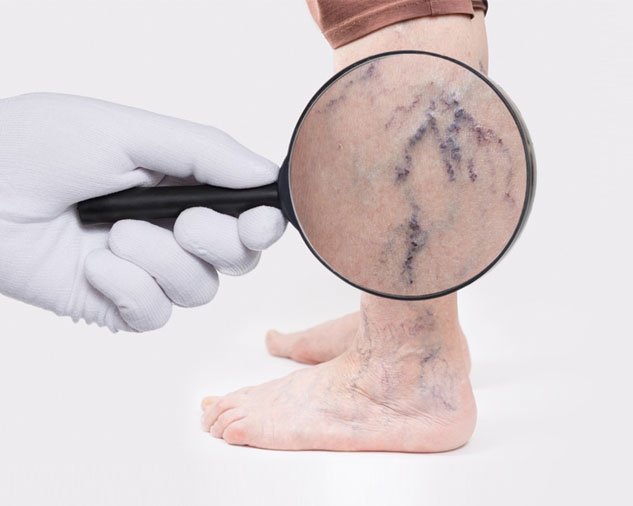
Varicose veins are enlarged, bulging veins that most commonly appear in the lower legs. They often look blue or purple and may twist or swell near the skin’s surface. While some patients seek treatment for cosmetic concerns, varicose veins may also cause discomfort and lead to more serious complications if left untreated.
At Circle Care Clinic, Dr Milos Pavlovic offers advanced varicose vein treatment options tailored to your symptoms, vein size, and overall vascular health. Schedule a consultation with Dr Milos to learn more about our procedures and the results you can expect.
Symptoms of Varicose Veins
Symptoms of varicose veins range from mild discomfort to visible skin changes and complications. Common issues include:
- Bulging veins or swollen veins in the lower legs.
- Aching, heaviness, or muscle cramps.
- Burning or throbbing sensations.
- Swelling around the ankles and calves.
- Skin discoloration or purple veins.
- Itching or irritation.
- Open sores or skin ulcers in severe cases.
Untreated varicose veins can lead to chronic venous insufficiency, blood clots, or deep vein thrombosis in rare cases. The most effective varicose vein treatments range from minimally invasive procedures to traditional surgery.
What Causes Varicose Veins?
Varicose veins occur when weakened vein walls and damaged valves allow blood to pool rather than flow back to the heart. They commonly appear on the legs and in the pelvic area.
Normally, leg muscles and calf muscles help push blood upward. When valves fail, blood pooling occurs, increasing pressure inside the blood vessels. Over time, veins stretch, twist, and become enlarged.
Common causes and risk factors include:
- Family history of vascular disease.
- Long periods of sitting or standing.
- Prolonged periods at work without movement.
- Excess weight or difficulty managing weight.
- Pregnancy or hormonal changes.
- Birth control pills.
- Weak leg muscles.
- Aging and reduced vein elasticity.
Varicose veins develop gradually and often begin before the age of 40.
How Do We Diagnose Varicose Veins?
We diagnose varicose veins using a painless test, usually ultrasound imaging, to evaluate blood flow and valve function. Accurate diagnosis of varicose veins enables us to identify affected veins, assess blood pooling, and rule out conditions such as deep vein thrombosis. This step ensures a safe and effective treatment plan.
Varicose Veins Treatment Options
The most effective treatment for varicose veins ranges from non-surgical treatments to minimally invasive procedures and, in rare cases, surgery.
Conservative & Non-Surgical Treatments
These treatments help relieve symptoms and slow progression, but do not remove veins:
- Wearing compression stockings.
- Leg elevation to improve blood flow.
- Regular exercise to activate calf muscles.
- Maintaining a healthy weight.
- Low salt diet to reduce swelling.
These options work best for smaller varicose veins or early symptoms.
Minimally Invasive Treatments
Minimally invasive treatments for varicose veins close or remove affected veins using modern techniques that improve blood flow, relieve symptoms, and deliver excellent cosmetic results with minimal downtime.
Endovenous Laser Treatment (EVLT)
Endovenous laser treatment uses controlled laser energy delivered through a thin tube placed inside the affected vein. The laser energy seals the vein from within, allowing blood to reroute through healthier blood vessels. EVLT is effective for treating larger varicose veins and helps reduce swelling, discomfort, and visible bulging veins.
Radiofrequency Ablation (RFA)
Radiofrequency ablation is a minimally invasive procedure often used for larger varicose veins. A thin catheter delivers radiofrequency energy to heat and close the vein wall. This technique improves blood flow, reduces varicose vein symptoms, and typically results in less bruising and faster recovery compared to traditional surgery.
Sclerotherapy
Sclerotherapy involves injecting a medical solution directly into affected veins, causing them to collapse and gradually fade. This treatment works best for spider veins and smaller varicose veins near the skin’s surface. Over time, the treated veins are absorbed by the body, improving both comfort and appearance.
Surgical Treatment
Surgical treatment is recommended only when varicose veins are severe, cause complications, or do not respond to minimally invasive options. In selected cases, surgery helps remove larger varicose veins, relieve symptoms such as pain and swelling, and prevent more serious complications, such as skin ulcers or bleeding.
Patients have two options at their disposal:
- Ambulatory Phlebectomy: Involves removing bulging veins through very small incisions made along the skin’s surface. This technique delivers immediate cosmetic improvement, minimal scarring, and fast recovery.
- Vein Stripping and Ligation: A more traditional surgical approach in which the affected vein is tied off and removed. Today, it is used far less frequently, as modern, less invasive treatments usually provide effective results with shorter downtime.
Contact Circle Care Clinic to learn more about different surgical options.
Benefits of Treating Varicose Veins
Treating varicose veins improves circulation, reduces symptoms, and prevents complications. Benefits include:
- Improved blood flow.
- Relief from pain and swelling.
- Reduced risk of skin ulcers and blood clots.
- Improved appearance of the legs.
- Better mobility and comfort.
Minimally invasive procedures help restore both function and confidence.
Can You Prevent Varicose Veins?
You can reduce your risk of developing varicose veins with healthy lifestyle habits. Overall, the issue is much less common among individuals who pay attention to their health or wellness. Preventive strategies include:
- Regular exercise is vital for improving symptoms and reducing weight.
- Avoiding prolonged standing or sitting.
- Wearing compression stockings.
- Elevating your legs when resting can help prevent varicose veins.
- Maintaining a healthy weight can help reduce the risk of developing varicose veins.
- Staying active to support leg muscles.
While prevention is not always possible, early care limits progression.
Contact Varicose Veins Specialists at Circle Care Clinic
Dr Milos Pavlovic, our varicose vein expert and professor of dermatology, provides personalized, advanced care using the latest minimally invasive technologies. At Circle Care Clinic, he creates individualized treatment plans using ultrasound-guided diagnosis and evidence-based techniques. We focus on symptom relief, long-term vein health, and natural cosmetic results.
Contact our clinic today and schedule your first consultation.