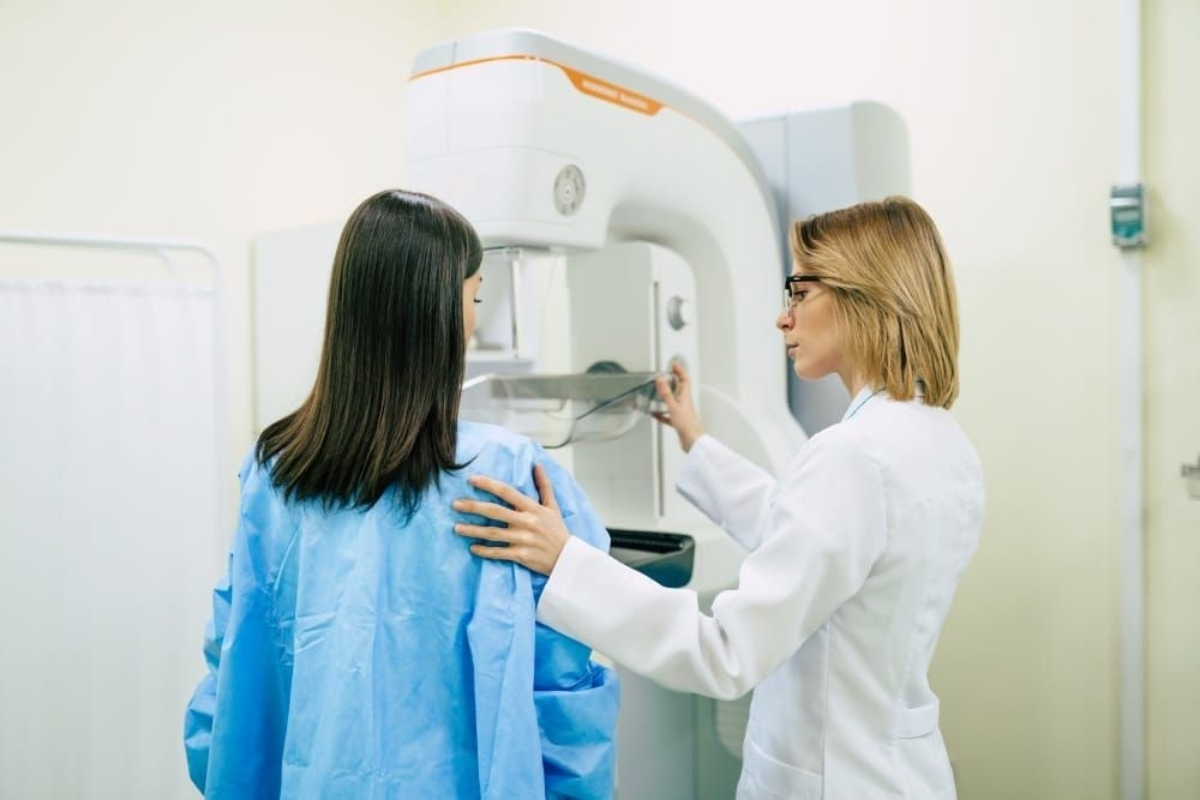



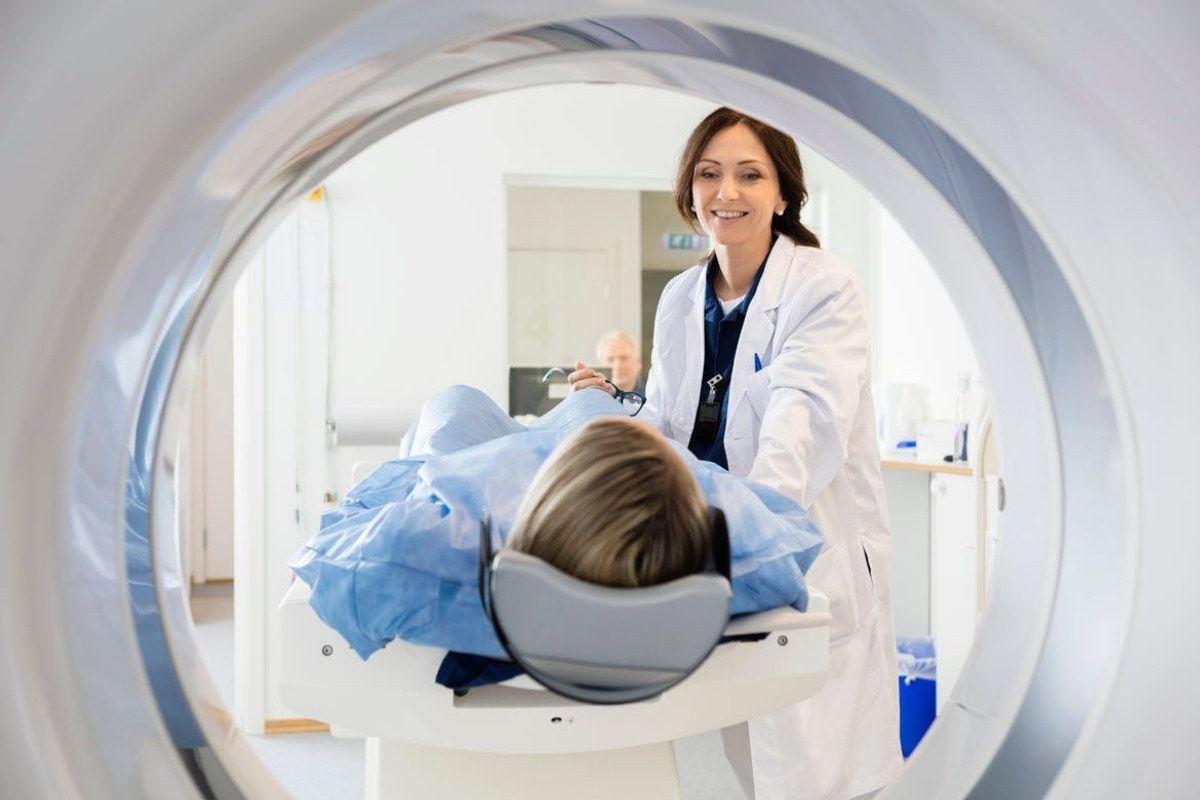
Radiology technology has undergone a remarkable transformation over the past three decades, fundamentally improving diagnostic precision and patient safety.
From the early single-slice CT scanners to today’s advanced multi-slice CT systems capable of up to 640 slices, imaging has become faster, clearer, and more accurate. The introduction of whole-body PET scanners in 1977 and clinical MRI systems in the 1980s further revolutionized diagnostic medicine.
By the early 2000s, the shift from analogue film to computer radiography, followed by direct digital radiography in 2007, marked a significant breakthrough in radiation reduction. Modern digital systems can reduce radiation exposure by up to 70%, benefiting both patients and clinical staff.
Learn more about our radiology services and book your first appointment.
Our Commitment to Radiation Safety and Low-Dose Digital Imaging
Digital radiology has significantly reduced the need for routine lead aprons. However, the idea that lead protection is no longer required is a misconception. Radiation safety is not about eliminating protection; it is about using it intelligently and selectively.
Our radiation safety program includes:
- Low-dose digital imaging protocols
- Tailored exposure parameters based on age, size, and clinical indication
- Strict compliance with regulatory standards
- Selective shielding when clinically necessary
- Continuous quality monitoring
We ensure every examination uses the lowest radiation dose required to achieve high-quality diagnostic imaging.

When Lead Protection Is Still Essential
Despite digital advancements, certain patient groups require continued protective measures.
Pregnant Women
The fetus, particularly during the first trimester, is highly sensitive to radiation. Pregnant patients receive appropriate shielding whenever X-ray imaging is necessary.
Children
Children are more sensitive to radiation than adults because their tissues are still developing. Protective shielding is always applied when indicated, to minimize exposure.
Sensitive Organs
Organs such as the gonads (testes and ovaries) remain particularly vulnerable. Gonad shielding is recommended when these areas fall within the direct X-ray beam.
The Clinical Role of Precision in Radiation Protection
Radiation safety extends far beyond shielding. It begins with the practices that optimize daily diagnostic procedures.
Radiographer Expertise
Our radiographers play a critical role in minimizing exposure. Precise positioning ensures the area of clinical interest is accurately targeted while avoiding unnecessary radiation to surrounding tissues.
Circle Care Clinic’s radiology team, Dr. Mohamed Helaly and Bettina Schaefer, closely monitor every procedure. You’ll be completely safe in their hands while gaining a better understanding of the radiation protocols.
Precise Collimation
Collimation narrows the X-ray beam to the exact anatomical area required. This significantly reduces unnecessary exposure and improves image clarity.
Tailored Exposure Parameters
Children and smaller patients require customized dose adjustments. We carefully calibrate radiation levels according to body size and diagnostic needs.
This combination of precision, expertise, and technology ensures optimal imaging with minimal risk.

Dr. Mohamed Helaly
Specialist Radiologist

Bettina Schaefer
Senior Radiologist
Child-Specific Radiation Filter
Circle Care Clinic is proud to be one of the few clinics in Dubai offering a special child-specific radiation filter. Children have lower body mass and different tissue absorption characteristics compared to adults. This requires specialized protection.
Our child filter:
- Reduces skin dose significantly
- Maintains high diagnostic image quality
- Uses low-dose imaging parameters
- Minimizes unnecessary radiation exposure
This innovation strengthens our patient-centric approach, ensuring children receive safe, accurate imaging tailored specifically to their physiology.
Why Safety Procedures Matter?
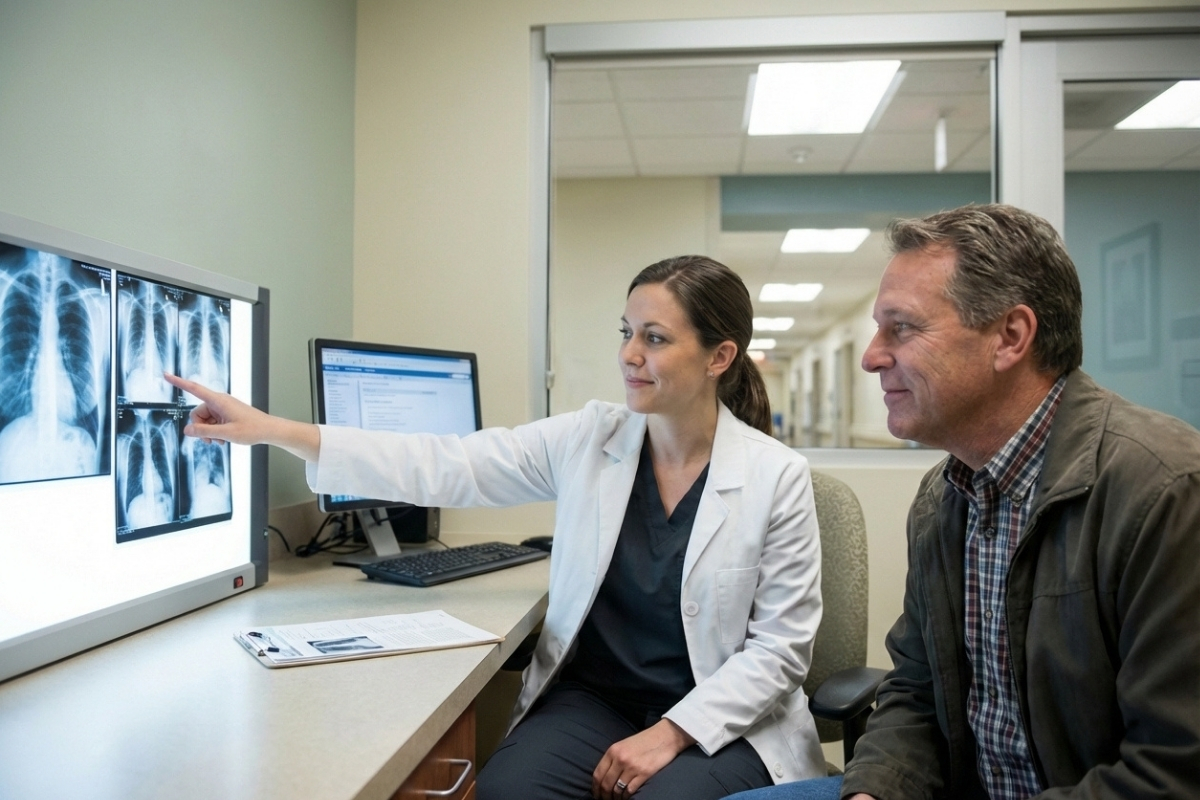
Radiology is essential for accurate diagnosis, treatment planning, and clinical monitoring. However, it must always balance diagnostic benefit with safety. Our advanced digital systems, selective shielding protocols, expert radiographers, precise collimation techniques, and child-specific radiation filter work together to:
- Reduce radiation exposure
- Protect vulnerable patients
- Maintain superior image quality
- Exceed regulatory standards
We believe safety and precision must go hand in hand, which is why we make every test as short as possible.
Radiation Safety at Circle Care Clinic
We are committed to protecting both patients and staff while maintaining exceptional diagnostic accuracy. Our protocols include:
- Compliance with international radiation safety standards
- Selective use of shielding based on clinical need
- Dose optimization for each patient
- Continuous equipment monitoring and quality assurance
If you have any questions about radiation exposure or safety measures, our team is always available to provide clear guidance. Browse our website to increase awareness of the issue and how we can help.
Make sure to contact Circle Care Clinic today and learn more about our radiology safety practices.