


Orthopaedics
Expert Care for Bones, Joints, and the Musculoskeletal System
Orthopaedics addresses disorders of the musculoskeletal system, which includes bones, joints, muscles, tendons, ligaments, and connective tissues that allow the body to move and function properly. Doctors treat patients of all ages, from children with limb deformities to adults with chronic pain, sports injuries, or degenerative joint disease.
Circle Care Clinic’’s orthopaedic services combine accurate diagnosis, conservative treatment options, and advanced orthopaedic surgery when needed. The primary goal is to restore function, reduce pain, and improve mobility while prioritizing faster recovery and long-term bone health.
Schedule your orthopaedic appointment today, and restore mobility in your joints.
What Does Orthopaedics Treat?
Orthopaedics treats injuries, deformities, and degenerative conditions affecting bones, joints, muscles, tendons, and ligaments. Specialists manage a wide range of musculoskeletal problems, categorized by either cause or anatomical area. These include trauma-related injuries, age-related degeneration, congenital deformities, and sports-related conditions.
Orthopaedics was originally developed with a strong focus on children, addressing limb deformities and growth-related issues, but today it spans all age groups. Common orthopaedic conditions include:
- Bone fractures and trauma injuries
- Sports injuries involving the knee, shoulder, ankle, or rotator cuff
- Osteoarthritis and rheumatoid arthritis
- Spine disorders, including disc degeneration and deformities
- Foot and ankle conditions
- Hip joint disorders and hip replacement needs
- Chronic pain caused by joint degeneration or soft tissue injury
Orthopaedic care often begins with non-surgical treatments, reserving surgery for cases where conservative options fail. However, if a procedure is necessary, minimally invasive orthopedic surgery spares muscles and tendons surrounding the target area, which improves the patient’s recovery.

Diagnosis and Treatment Planning
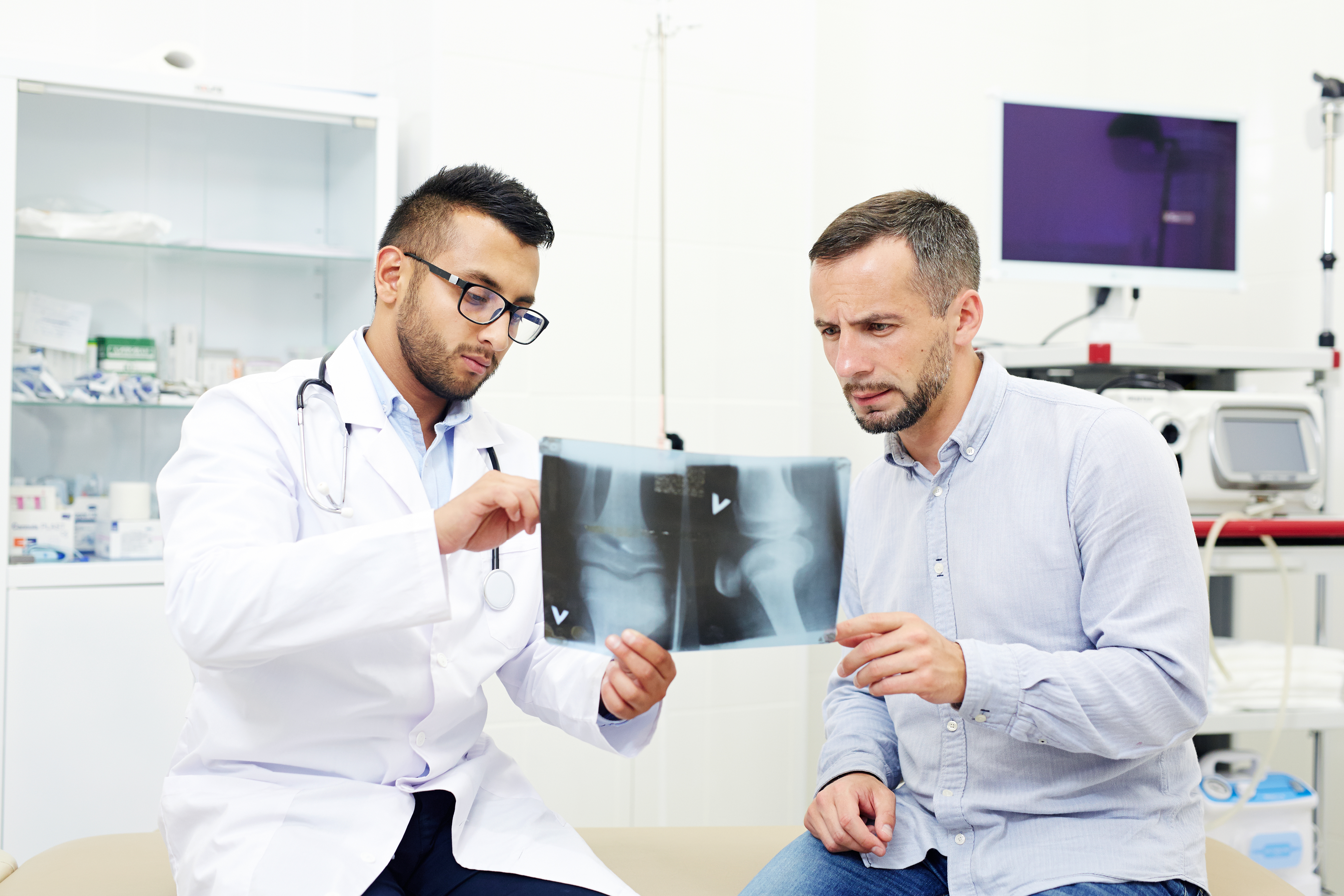
Orthopaedic diagnosis relies on imaging, physical exams, and functional assessments to guide personalized treatment. Accurate diagnosis forms the foundation of successful orthopaedic treatment.
Orthopaedic doctors evaluate pain, movement limitations, joint stability, and injury history before recommending care. Diagnostic tools commonly include X-ray, ultrasound, and advanced imaging when necessary to assess bones, joints, and soft tissues.
Treatment planning focuses on:
- Identifying the root cause of pain or dysfunction
- Choosing conservative, non-invasive options first
- Selecting surgical techniques only when required
- Designing rehabilitation strategies for faster recovery
Treatment options may include medication, physical therapy, bracing, injections, or orthopaedic surgery. Every plan balances effectiveness with safety and long-term outcomes. Contact Circle Care Clinic to create an optimal strategy for your specific case.
Non-Surgical Orthopaedic Treatment Options
Orthopaedic specialists prioritize non-surgical treatment whenever possible to relieve pain, restore function, and promote healing. These methods often resolve symptoms without surgery and support natural recovery.
Common non-surgical orthopaedic treatments include:
- Medication such as NSAIDs for pain and inflammation
- Physical therapy led by experienced physiotherapists
- Immobilization using casts, splints, or braces
- Corticosteroid or PRP injections for treatment and/or temporary pain relief
These treatments aim to improve movement, reduce pain, and delay or eliminate the need for surgical procedures.
Orthopaedic Surgery
Orthopaedic surgery restores function when non-surgical treatment is no longer effective. A surgery may include both traditional and minimally invasive procedures, depending on the condition and the joint involved.
Doctors use advanced techniques to repair fractures, correct deformities, and replace damaged joints. Arthroscopy, a minimally invasive surgical technique, enables surgeons to treat joint problems through smaller incisions, resulting in less pain and a faster recovery.
Common orthopaedic surgical procedures include:
- Joint replacements (knee, hip, shoulder)
- Spine surgery for nerve compression or deformities
- Soft tissue repair, including rotator cuff surgery
- Fracture fixation and trauma surgery
- Revision surgery when implants wear out or fail
Modern orthopaedic surgery focuses on durability, precision, and improved recovery times. An orthopaedic surgeon will take a close look at your case and determine the best course of action.
Trauma and Orthopaedics
Trauma-related injuries require immediate and specialized orthopaedic care to prevent long-term disability. Orthopedic surgeons manage bone fractures, joint dislocations, ligament tears, and soft tissue injuries caused by falls, sports, or accidents. Early intervention ensures proper healing, reduces complications, and restores mobility as efficiently as possible.
Rehabilitation and Recovery
Rehabilitation restores strength, movement, and function after orthopaedic treatment or surgery. Experienced physiotherapists work closely with orthopaedic doctors to guide recovery and prevent reinjury. Rehabilitation focuses on:
- Improving range of motion
- Strengthening muscles and tendons
- Reducing pain and stiffness
- Supporting faster recovery and long-term joint health
Rehabilitation is essential for successful outcomes after both surgical and non-surgical treatment.
Best Orthopaedic Doctors are at Circle Care Clinic
Circle Care Clinic features the best orthopaedic doctors with extensive experience in diagnosis, treatment, and surgery. Our team provides:
- Comprehensive orthopaedic services for adults and children
- Advanced diagnostic imaging and treatment planning
- Minimally invasive surgical options when appropriate
- Coordinated rehabilitation and recovery support
Book your orthopaedic consultation today and receive expert care designed to restore mobility, relieve pain, and support long-term musculoskeletal health.