




In the early weeks, pregnancy hormones rise rapidly, and the body adjusts to support a growing baby. These hormonal changes affect blood flow to the uterus and surrounding blood vessels, which can trigger mild cramps in the lower abdomen.
Some pregnant women describe early pregnancy cramps as similar to menstrual cramps. Others notice breast tenderness, mood swings, and morning sickness alongside the discomfort. These early pregnancy symptoms differ from premenstrual syndrome, although they may overlap.
Understanding the key differences between a menstrual cycle and pregnancy helps reduce anxiety. Still, certain types of abdominal pain could be a sign of a more serious condition. Recognizing warning signs allows you to see a doctor promptly.
Learn more about Circle Care Clinic’s obstetrics and gynaecology services, and how we can help.
Why Menstrual-Like Cramps Happen in Early Pregnancy?
In early pregnancy, implantation pain may occur when the fertilized egg attaches to the uterine wall. This process can cause a dull ache or light spotting known as implantation bleeding. Unlike menstrual bleeding, this spotting is usually brief and lighter. Early pregnancy cramps typically feel milder than period pain and do not follow the usual pattern of a menstrual period.
Rising levels of human chorionic gonadotropin and other pregnancy hormones increase blood flow to the uterus. As hormone levels shift, the uterine lining thickens to support pregnancy rather than shedding as it would during menstrual bleeding. These early pregnancy pains often present as mild discomfort in the lower abdomen.
During the first trimester, many women experience mild cramps without severe pain. As long as there’s no severe issue and associated symptoms like heavy bleeding, they usually represent a normal part of pregnancy.
When Do Pregnancy Cramps Signal a Serious Condition?
Sharp pains or throbbing pain in one side of the lower abdomen may indicate ectopic pregnancy, a serious condition you must not overlook. The problem occurs when the embryo implants outside the uterine wall. When combined with vaginal bleeding, dizziness, or shoulder discomfort, it signals a life-threatening problem you must address immediately.
Heavy bleeding or spotting that is bright red is a sign to seek immediate medical attention during pregnancy, as it could signal miscarriage. Abdominal pain with fever, foul-smelling vaginal discharge, or urinary symptoms may indicate a urinary tract infection. In later weeks of pregnancy, rhythmic uterine contractions before term may suggest preterm labor.

Key Differences Between Normal Cramps and Warning Signs
In the early stages of pregnancy, normal cramps often feel like a dull ache or mild discomfort in the lower abdomen near the pubic bone. On the other hand, symptoms of other serious conditions may include severe pain, vaginal bleeding, or fainting.
Warning signs require closer attention. Seek medical evaluation if you notice:
- Severe cramps that do not ease
- Stabbing pain that persists
- Vaginal bleeding heavier than light spotting
- Symptoms such as fainting or weakness
In the second and third trimesters, round ligament pain can cause brief, sharp pains as the uterus expands. This discomfort results from ligament stretching and differs from regular uterine contractions. If you feel unsure whether your cramps represent a normal part of pregnancy or something more serious, see a doctor for clarification.
When to See a Gynaecologist for Pain During Pregnancy?
Contact your healthcare provider if you experience heavy bleeding, severe pain, or stabbing pain in the lower abdomen. If pain localizes to one side or comes with dizziness, seek emergency care to rule out ectopic pregnancy. React quickly if you suspect something feels wrong.
Schedule a same-day visit if pregnancy cramps become persistent, intensify, or present with other symptoms such as fever or abnormal vaginal discharge. Your provider may recommend urine tests, a blood test to measure human chorionic gonadotropin levels, or ultrasound imaging. A blood test can confirm pregnancy progression and help rule out complications.
If you have mild cramps without associated symptoms, make sure to mention them during your next prenatal appointment. Regular monitoring throughout the weeks of pregnancy supports early detection of complications and reassures pregnant women when cramps reflect a normal part of how the body adjusts.
How to Relieve Body Pains During Pregnancy?
If your provider confirms there are no complications, you can take steps to safely relieve pain by resting, staying hydrated, and avoiding sudden movements. Gentle stretching may reduce round ligament pain. Some women benefit from consulting a physical therapist for guidance on posture as the uterus grows.
Use only approved pain relievers after discussing options with your doctor and avoid self-medication without guidance. Warm compresses applied gently to the lower abdomen may ease muscle tension, as well. We also recommend avoiding excessive heat over the coming days.
As pregnancy progresses into the third trimester, occasional uterine contractions may occur. These differ from labor in that they remain irregular and are typically milder. Stay attentive to changes, especially in the second and third trimesters, and when in doubt, schedule an appointment with your gynecologist.
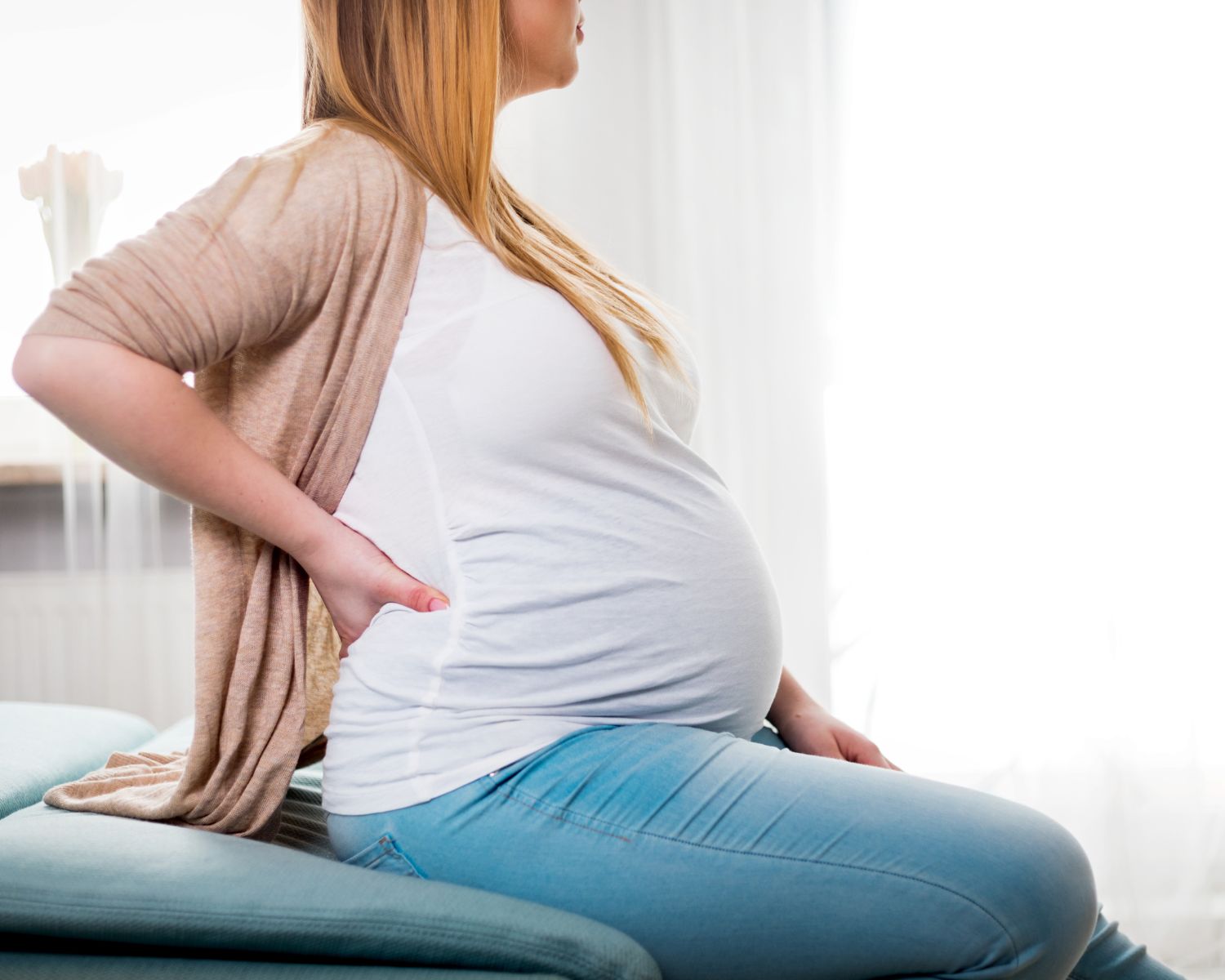
Visit Circle Care Clinic for Sharp Pain During Pregnancy
Sharp pain in the belly during pregnancy should never be ignored. While some pregnancy cramps reflect normal stretching as the uterus expands, sudden stabbing pain or persistent abdominal pain could signal a serious concern.
Conditions such as ectopic pregnancy, infection, or early uterine contractions require prompt evaluation. If you notice sharp pains in the lower abdomen, heavy bleeding, or other warning signs, you should see a doctor immediately. At Circle Care Clinic, our experienced obstetricians assess symptoms quickly and thoroughly to protect both you and your growing baby.
Book an urgent consultation today and get the reassurance and care you need.
FAQs
Can pain during pregnancy feel like a regular menstrual period?
Mild menstrual-like cramping is common during the first and second trimesters of pregnancy as the body adapts to the growing baby. Early pregnancy cramps can occur at any time during early pregnancy, often before a missed period. Overall, menstrual cramps are typically more intense than early pregnancy cramps.
Could cramps in early pregnancy be a sign of ectopic pregnancy?
Yes. Severe pain, sharp pains on one side, or severe cramps with vaginal bleeding could be a sign of ectopic pregnancy. This condition can become life-threatening, so make sure to seek medical care immediately.
How can I tell the difference between implantation cramps and period pain?
Implantation cramps occur in the early weeks and often come with light spotting rather than heavy menstrual bleeding. They usually feel like gentle cramping rather than intense period pain.
Are mild cramps in the second and third trimesters normal?
Yes. Round ligament pain and mild uterine contractions can cause mild cramps as pregnancy progresses. These cramps are typically milder and brief.
When should I take a pregnancy test if I have cramps and a missed period?
If you miss your menstrual period and experience early pregnancy symptoms such as breast tenderness, mood swings, or mild cramps, take a pregnancy test. Confirm results with your gynaecologist through urine tests or a blood test for an accurate diagnosis.