



Eczema and Rashes
Relief, diagnosis, and long-term management for itchy, inflamed, and sensitive skin
Eczema and rashes are common inflammatory skin conditions that cause itchy skin, redness, irritation, and discomfort. These conditions affect both children and adults and often follow a chronic pattern with recurring flare-ups.
Eczema and rashes can look different from person to person. The appearance of an itchy rash may vary depending on age, skin tone, triggers, and the underlying immune system response. Accurate diagnosis is essential because eczema can resemble other inflammatory skin conditions.
If you wish to learn whether you have eczema, a rash, or another skin condition, schedule an appointment with Circle Care Clinic.
What Is Eczema?
Eczema, also called atopic dermatitis, is a chronic skin condition that causes dry skin, itchy patches, and inflamed skin. It develops when the skin barrier fails to protect against irritants, allergens, and bacteria.
Atopic eczema is the most common and chronic form of eczema. It often begins in infancy or early childhood, but many people continue to experience adult eczema. Eczema is not contagious and cannot spread through direct contact.
Eczema can be confused with other rashes, but it is characterized by its long-term recurrence and specific symptoms. The condition can lead to complications such as bacterial infections, viral skin infections, and psychological effects.
What Are Rashes?
Rashes are visible changes in the skin that develop due to irritation, inflammation, infection, or an allergic reaction. A rash can affect the color, texture, or appearance of the affected skin, often causing redness, swelling, bumps, or itchy patches of skin.
Rashes vary widely in appearance and severity. Some cause mild redness and dry skin, while others lead to inflamed skin, scaly rashes, or fluid-filled blisters. The appearance of a rash often depends on the underlying skin condition, environmental factors, and the individual’s immune response.
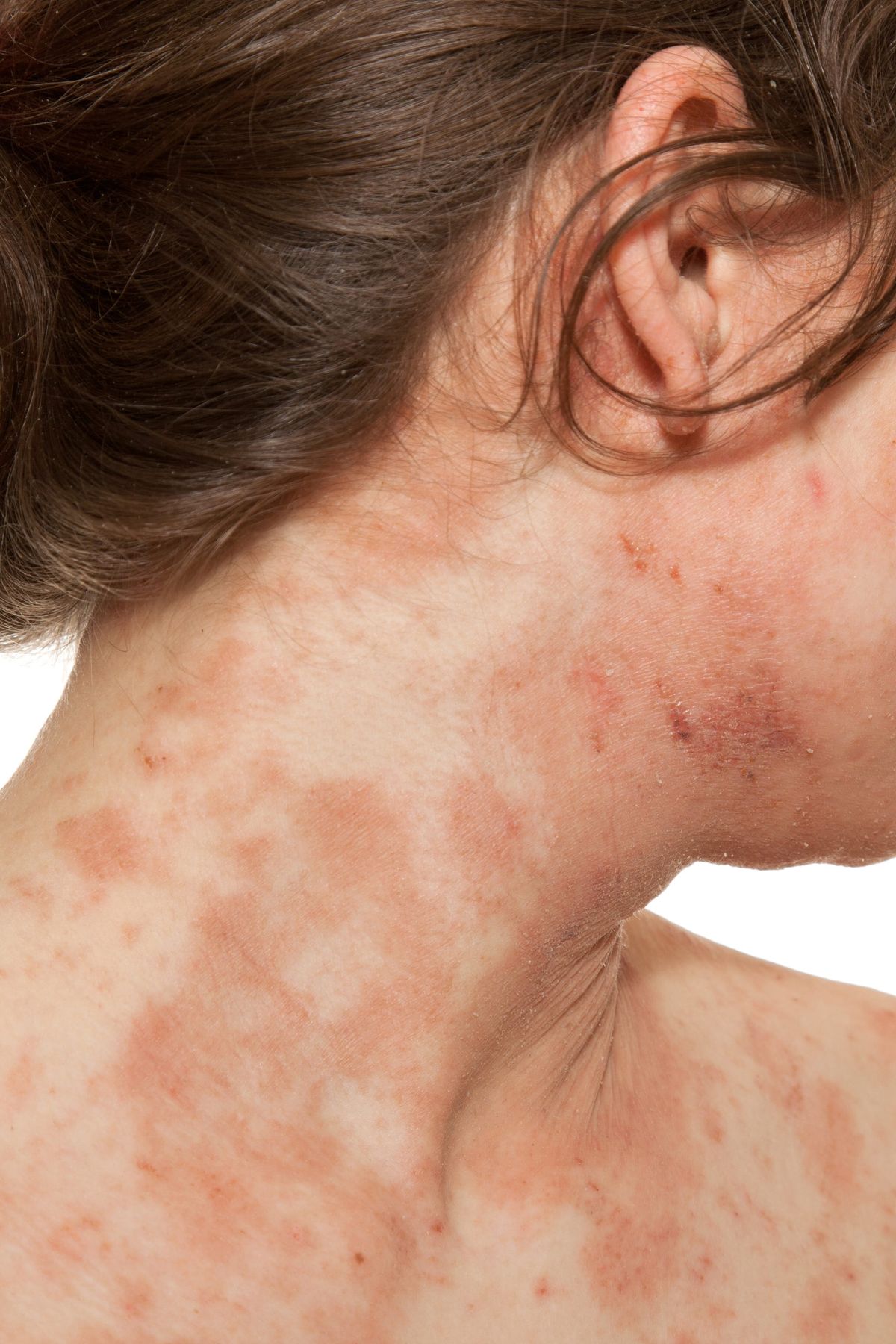
Symptoms of Eczema and Rashes
Symptoms of eczema and rashes vary depending on the cause, severity, and location of the condition. Some people experience mild irritation, while others develop severe eczema with persistent inflammation and discomfort.
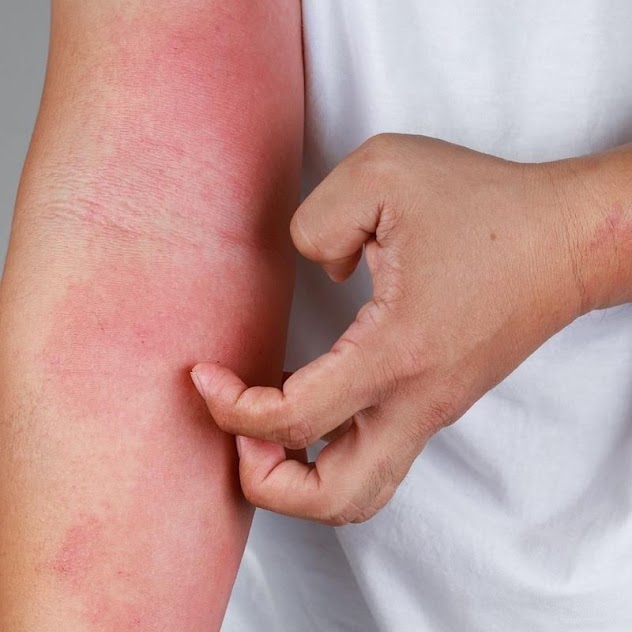
Common symptoms include itchy skin, redness, and visibly rough or irritated patches. Many patients will notice that itchy patches worsen at night. To soothe the skin, they often scratch the area, worsening eczema and increasing the risk of skin infections.
What Causes Eczema and Rashes?
Eczema develops due to a combination of genetic factors, immune dysfunction, and environmental exposure. Many eczema sufferers have a family history of allergies, asthma, hay fever, or allergic rhinitis.
Environmental factors such as dry air, cold weather, heat, pollution, and harsh soaps can worsen eczema. Stress or anxiety often triggers eczema flare-ups and makes symptoms worse.
Common Triggers That Make Eczema Worse
Certain triggers can cause eczema flares or make symptoms worse. These triggers vary between individuals and often overlap. Common triggers include:
- Dust mites, pollen, and pet dander
- Certain foods and food allergies
- Wool and synthetic fabrics
- Fragrances and harsh detergents
- Extreme temperatures and low humidity
- Emotional stress and anxiety
Avoiding known triggers helps prevent eczema flare-ups and reduces inflammation.
Types of Eczema
Understanding the types of eczema helps guide proper treatment and long-term control.
- Atopic Dermatitis: The most common chronic form, often starting in infancy
- Allergic Contact Dermatitis: Caused by an allergic reaction after direct contact
- Irritant Contact Dermatitis: Triggered by repeated exposure to irritants
- Dyshidrotic eczema: Causes fluid-filled blisters on hands and feet
- Discoid Eczema (nummular eczema): Coin-shaped, scaly patches
- Seborrheic Dermatitis: Affects oily areas like the scalp and face
- Neurodermatitis: Causes intense itching and thickened, leathery skin
- Stasis Dermatitis: Linked to poor circulation in the lower legs
Each type creates inflammation in different ways and requires a tailored approach. In some cases, daily moisturizing is essential for managing eczema and preventing flare-ups. In others, topical corticosteroids can be prescribed to reduce inflammation in eczema.
Why Eczema Becomes Chronic?
Eczema becomes a chronic condition because of ongoing skin barrier dysfunction. Many patients have a mutation in the filaggrin gene, which weakens the skin’s protective layer.
When the skin’s barrier function fails, moisture escapes and irritants enter more easily. This process leads to recurring eczema flares, inflammation, and increased infection risk.
What Are Complications of Untreated Eczema?
Severe eczema increases the risk of complications. Broken skin allows bacteria and viruses to enter, leading to skin infections.
Rare complications include eczema herpeticum, caused by the herpes simplex virus. Chronic itching can disrupt sleep, affect mental health, and reduce quality of life.
How Do We Diagnose Eczema and Rashes?
A dermatologist can diagnose eczema through a detailed skin exam and medical history. Our team at Circle Care Clinic assesses the pattern, duration, location, and severity of the rash.
Eczema diagnosis may include allergy testing, patch testing for contact dermatitis, or evaluation for infections. Proper diagnosis prevents unnecessary treatments and improves outcomes.
Paediatric Eczema and Rash
Children are more prone to eczema due to their sensitive, immature skin. Early treatment protects the child’s skin and prevents chronic inflammation. Circle Care Clinic offers a specialized paediatric program for young clients; contact us to learn more about these services.
What Causes Eczema in Babies?
Infant eczema often develops within the first six months of life. It commonly affects the cheeks, scalp, arms, and legs.
Common causes include genetic predisposition, developing atopic dermatitis, saliva and environmental triggers. Babies with eczema are more prone to other atopic conditions such as asthma and allergic rhinitis.
What Causes Neonatal Rash?
Neonatal rashes appear during the first weeks after birth. Most resolve without treatment but require monitoring.
Common causes include heat, blocked sweat glands, hormonal changes, yeast overgrowth, and friction. Persistent rashes may signal eczema or infection and need evaluation.
Eczema and Rash Treatment at Circle Care Clinic
At Circle Care Clinic, our dermatology team provides personalized care for eczema and rashes in adults and children. We identify triggers, confirm diagnosis, and create a targeted treatment plan to restore skin health. Our approach focuses on long-term control, not short-term relief.
Book your dermatology consultation today and get expert care for eczema, rashes, and sensitive skin.
FAQs
Is eczema contagious?
No. Eczema is not contagious and cannot spread through contact.
Can eczema go away?
Some children outgrow eczema, but many adults manage it long term.
Does stress affect eczema?
Yes. Stress can trigger flare-ups and worsen itching and inflammation.
Can food allergies cause eczema?
Food allergies can trigger eczema flares, especially in infants and children, but are not known to directly cause eczema.
What helps relieve itching quickly?
Moisturizers, cold compresses, and prescribed treatments reduce itching.
When should I see a dermatologist?
Seek care if rashes persist, spread, ooze, or interfere with daily life.