



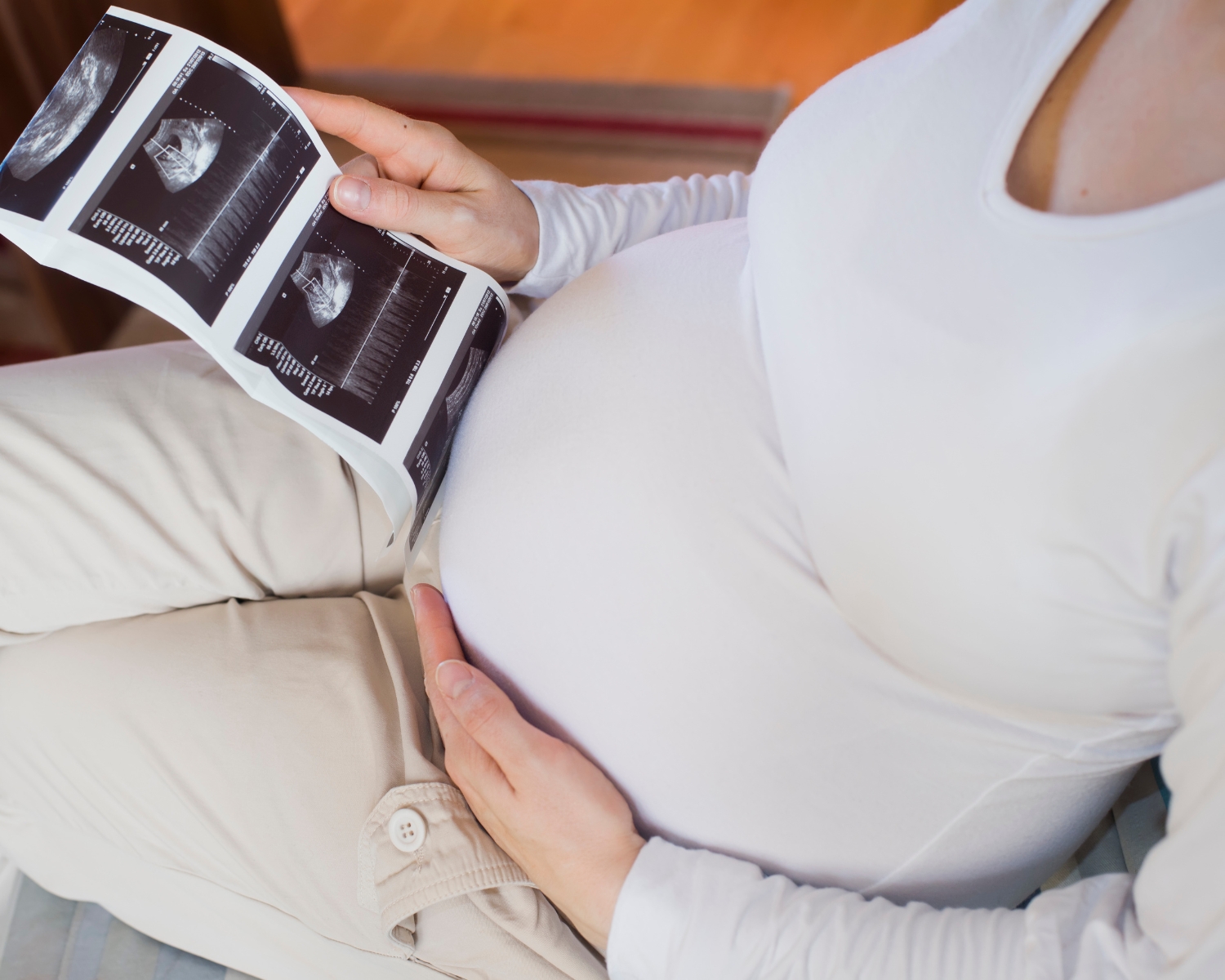
Not only can endometriosis cause miscarriage, but it can also affect the baby’s health once born. The good news is that there are ways to address the problem and ensure full health and recovery for both mother and the baby.
Although many women with endometriosis achieve pregnancy, the condition increases infertility risk and leads to other complications. Early diagnosis and targeted treatment improve reproductive prognosis and overall reproductive outcome.
Learn more about obstetrics and gynaecology services at Circle Care Clinic.
What is Endometriosis and How Does It Affect Pregnancy?
Endometriosis is a chronic inflammatory disorder in which endometrial tissue, similar to the tissue lining of the uterus, grows outside the uterus. This misplaced tissue may attach to the ovaries, fallopian tubes, bowel, bladder, or other organs, leading to inflammation, scar formation, and significant pelvic pain.
Because this inflammatory disorder alters pelvic anatomy, endometriosis can affect fertility and pregnancy outcomes. Scar tissue may distort the fallopian tubes or ovaries, interfere with egg release, and reduce egg quality. Deep endometriosis may infiltrate ligaments and nearby structures, further complicating natural conception.
How Endometriosis Increases Risk During Pregnancy?
Endometriosis increases risk during pregnancy through multiple biological and structural mechanisms. As a chronic inflammatory disorder, it affects the uterus, ovaries, fallopian tubes, and surrounding tissue. Below are the key factors that explain how endometriosis can affect pregnancy and contribute to complications:
- Chronic Inflammation: Persistent inflammation alters the uterine environment, interferes with implantation, and increases the risk of miscarriage, especially in the first trimester.
- Progesterone Resistance: Reduced responsiveness to progesterone weakens the uterine lining, making it harder to sustain early pregnancy.
- Impaired Placental Development: Abnormal immune signaling may disrupt placental development, increasing the risk of placental abruption and preeclampsia.
- Scar Tissue and Adhesions: Scar tissue around reproductive organs may distort anatomy, reduce blood flow, and increase the risk of ectopic pregnancy.
- Fallopian Tube Damage: Blocked or narrowed fallopian tubes raise the likelihood of implantation outside the uterus.
- Deep Endometriosis: Severe infiltration into surrounding structures may further increase complication rates during pregnancy.
- Adenomyosis Overlap: When adenomyosis coexists with endometriosis, structural changes within the uterus may negatively affect pregnancy outcomes.
- Higher Risk of Preterm Birth: Some national cohort study data show increased rates of preterm birth in women with endometriosis.
Although these risks exist, many women with endometriosis still achieve a healthy pregnancy and healthy baby with appropriate monitoring and individualized care.
This is why it is important to have a veteran obstetrician & gynecologist by your side.
Endometriosis and Its Impact on Fertility Treatments
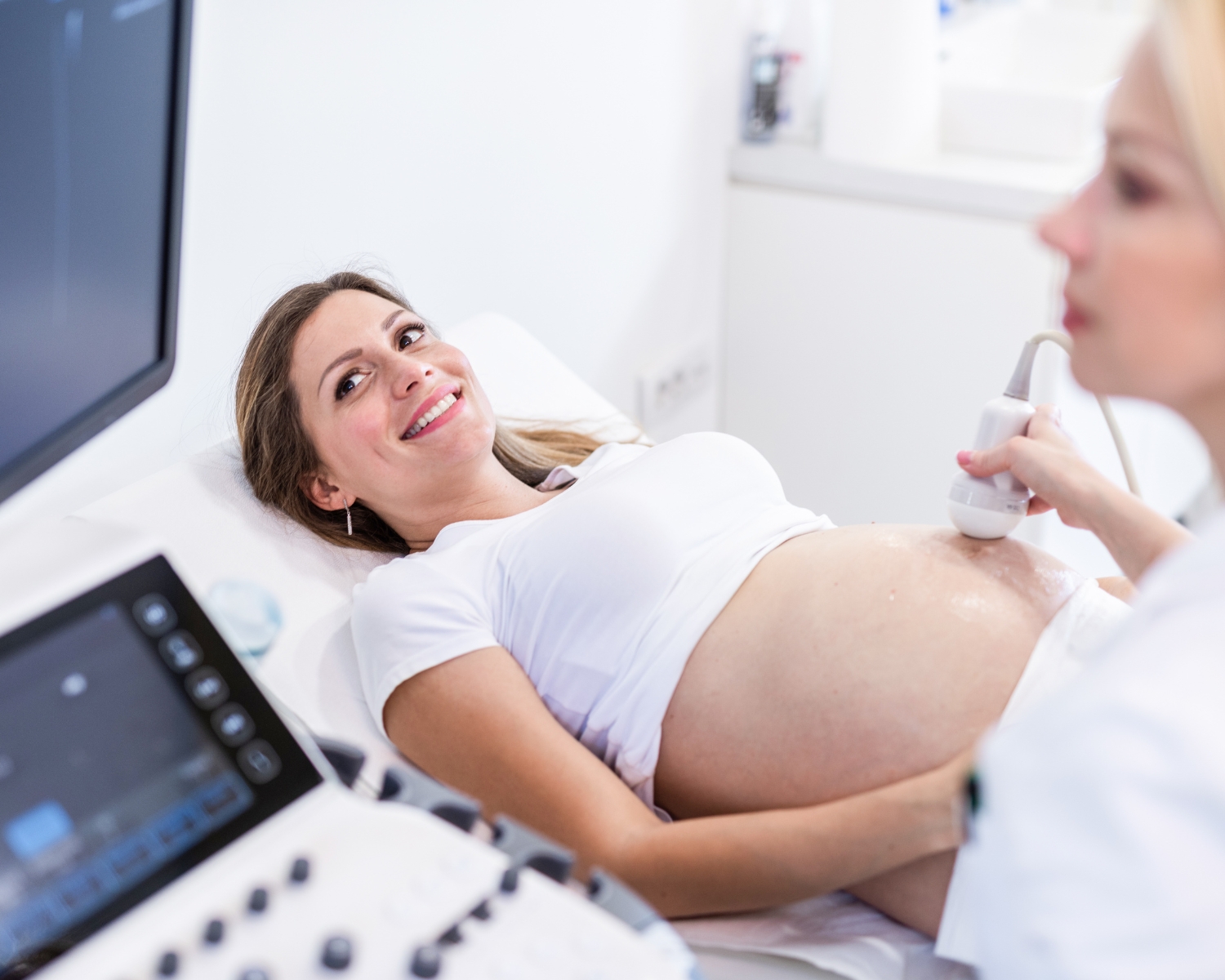
Endometriosis can affect fertility by reducing egg quality, altering embryo quality, and blocking the fallopian tubes. Many women experience fertility issues before seeking care. When natural conception fails, assisted reproduction becomes an effective option. In vitro fertilization bypasses tubal damage and may improve pregnancy rates in moderate to severe endometriosis.
Data from IVF cycles show that women with endometriosis may have slightly lower implantation rates compared to a control group, but many still become pregnant. Some systematic reviews suggest a modest increased risk of miscarriage after IVF in these patients, yet overall reproductive prognosis remains favorable with proper treatment.
Doctors tailor IVF protocols to address inflammation and ovarian reserve. Assisted reproduction offers many patients the opportunity to achieve pregnancy and improve long-term reproductive outcomes despite underlying disease.
How to Reduce the Risk of Miscarriage and Improve Pregnancy Outcomes?
Reducing the risk of miscarriage begins with a detailed evaluation before conception, during which a gynecologist assesses ovarian reserve, uterine anatomy, and fallopian tube function. Imaging studies help identify deep endometriosis, scar tissue, or ovarian endometriomas that may affect fertility and pregnancy outcomes.
In selected patients, laparoscopic surgery may remove visible lesions or endometriomas to improve pelvic anatomy and reduce inflammation. Surgery should be individualized, since unnecessary procedures can reduce ovarian reserve and affect egg quality.
In addition to medical treatment, lifestyle optimization plays an important role in improving reproductive prognosis. Patients should focus on:
- Maintaining a healthy weight
- Controlling blood sugar and metabolic conditions
- Reducing systemic inflammation through balanced nutrition
- Exercising regularly
- Avoiding smoking
For women with recurrent miscarriage or progesterone deficiency, early hormonal support during the first trimester may stabilize the uterine lining. Close monitoring during early pregnancy allows early detection of complications. Although endometriosis does increase miscarriage risk, proactive treatment, personalized care, and coordinated follow-up significantly improve the chance of a healthy pregnancy and healthy baby.
Prevent Endometriosis Miscarriage with Circle Care Clinic
If you are concerned about endometriosis and its impact on conception and pregnancy, early intervention makes a measurable difference. At Circle Care Clinic, our gynaecologists evaluate inflammation, ovarian reserve, uterine health, and fallopian tube function to reduce miscarriage risk and improve pregnancy outcomes.
We create individualized treatment plans that may include hormonal support, fertility optimization, laparoscopic surgery when appropriate, as well as close first-trimester monitoring. Our team addresses risk factors such as severe endometriosis, scar tissue, and recurrent miscarriage to strengthen your reproductive prognosis.
Book a consultation with Circle Care Clinic today and take proactive steps toward a healthy pregnancy and a healthy baby.
FAQs
Does endometriosis always increase the risk of miscarriage?
No. Although women with endometriosis face a higher risk of miscarriage, many women carry pregnancies successfully. Risk depends on disease severity, other risk factors, and overall health.
Is ectopic pregnancy more common in women with endometriosis?
Yes. Scar tissue affecting the fallopian tubes may increase the risk of ectopic pregnancy. Early ultrasound evaluation during pregnancy remains essential for patients with known disease.
Does surgery improve reproductive outcome?
Laparoscopic surgery may improve fertility and pregnancy rates in selected patients, especially when severe endometriosis or large endometriomas distort anatomy. A specialist should determine whether surgery offers a benefit.
How does IVF affect miscarriage risk?
IVF and other assisted reproduction methods improve fertility for many patients. Some studies show a slightly increased risk of miscarriage compared to women without endometriosis, but most patients still achieve successful pregnancy and birth.
Can lifestyle changes affect pregnancy outcomes?
Yes. Reducing inflammation, maintaining metabolic health, and managing stress can positively affect fertility and pregnancy outcomes. While lifestyle changes cannot cure endometriosis, they support overall reproductive health and reduce complications during pregnancy.